Roofing options and costs in Medicine Hat
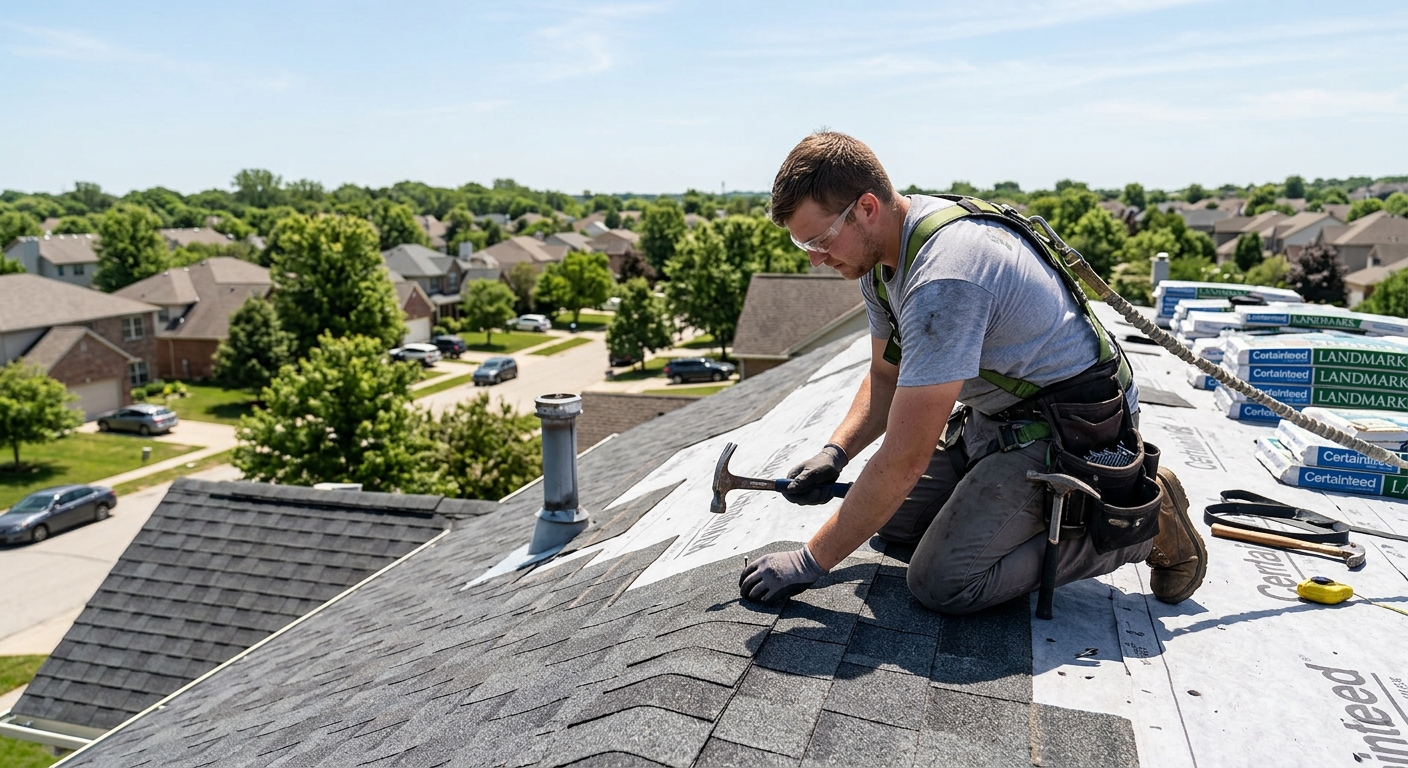
Medicine Hat homeowners are dealing with a market shaped by a surprisingly large share of older roofs and a strong preference for detached housing. In the city, 48.4% of homes were built before 1981, and 63.4% of dwellings are single-detached houses (Statistics Canada, 2021 Census). That combination usually means more roofs nearing the end of service life, more layered tear-offs, and more projects where flashing, decking, and ventilation need attention instead of a simple shingle swap. In neighbourhoods such as River Heights, a lot of the demand comes from homes that have already seen one or two reroof cycles, so quotes often reflect extra disposal, deck repairs, and ice-and-water shield upgrades rather than just shingles and labour.
Lethbridge–Medicine Hat pricing also reflects prairie weather realities. Cold winters, freeze–thaw swings, strong sun, and hail all punish roofing systems, so contractors here price in better underlayments, eave protection, and a little more time for detailing than you might see in milder parts of Canada. Alberta’s shorter practical install season can tighten labour availability in late spring and summer, which is why a project that looks straightforward on paper can still land in the upper part of the local range. Compared with coastal BC, where persistent rain and wind push many owners toward metal or premium membranes, Medicine Hat jobs are often judged on hail resistance, UV durability, and how well the system handles chinook-driven temperature changes. For a typical house in this market, you may see anything from a repair in the low hundreds to a full replacement in the mid tens of thousands, depending on pitch, access, and the amount of ice-dam protection required. The table below shows the most common roofing options and what homeowners can realistically expect to pay in this region.
| Type |
Typical Use |
Lifespan |
Best For |
Price Range |
| Full asphalt shingle replacement (tear-off + new install) |
Most standard detached homes needing a complete reroof |
15–25 years |
Budget-conscious owners replacing an aging roof |
$9,000 – $24,000 |
| Architectural / laminated shingle (premium asphalt) |
Higher-end steep-slope homes and upgrades from 3-tab |
20–30 years |
Better curb appeal, thicker weather protection |
$11,500 – $27,500 |
| Impact-resistant shingle (Class 4 — hail & wind zones) |
Homes exposed to repeated hail or stronger wind events |
22–35 years |
Owners wanting better storm resistance and possible insurance benefits |
$13,000 – $30,500 |
| Metal roofing (steel panels or standing seam) |
Long-life steep-slope roofs and farm-style or modern homes |
40–60+ years |
Maximum durability, lower long-term maintenance |
$22,000 – $45,000 |
| Flat / low-slope membrane (TPO or EPDM) |
Garages, additions, porches and low-slope main roofs |
15–30 years |
Low-slope surfaces needing reliable water management |
$14,000 – $38,000 |
| Roof repair + flashing only (no full replacement) |
Leak fixes, chimney work, vent flashing, storm repairs |
Short-term to mid-term, depending on roof age |
Localized damage or maintenance between reroofs |
$350 – $4,500 |
Prices are estimates only and vary by project scope, site access and material selection.
What affects the price of roofing in Medicine Hat
Quotes for the same roof in Lethbridge–Medicine Hat can easily differ by 30–50% because the work is affected by much more than square footage. Roof pitch changes access, safety setup and install speed; a steep, cut-up roof can cost significantly more than a simple gable. Tear-off complexity matters too: if your home still has two layers of shingles, the job can move from the lower end of a reroof to the top of the local asphalt range because labour, disposal and cleanup all rise. On a house with older decking, especially common in the city’s pre-1981 housing stock, any rotted OSB or plywood adds direct replacement costs. A few sheets may only add a few hundred dollars, but widespread deck repairs can push a project well beyond the expected $9,000 – $24,000 band.
Climate also changes the quote. Snow load and freeze-thaw cycles in Alberta and other cold regions drive ice-dam protection requirements and heavier underlayments, while Alberta’s hail belt increases demand for impact-rated shingles and tougher fasteners. Coastal BC is a different pricing world: persistent rain and wind favour metal roofing and premium synthetic underlayment, with extra flashing detail around valleys and penetrations. In Medicine Hat, a contractor may charge more for continuous eave protection, upgraded ventilation, and extra sealing around chimneys because chinooks and UV exposure can accelerate wear. Regional labour rates are also higher during the short peak season, so a July reroof can be pricier than a spring shoulder-season slot. A straightforward ranch home with easy access might stay near the bottom of the local asphalt range, while a steep home with skylights, two old shingle layers and deck repairs can land much closer to $24,000 – $30,500 if impact-rated materials are selected.
| Price Factor |
Why It Matters |
Cost Impact |
| Roof pitch and steepness |
Affects safety equipment and install speed |
Steeper roofs often add 10%–25% |
| Number of shingle layers to tear off |
2 layers = extra labour + disposal |
One extra layer can add $1,000–$3,500 |
| Total roof area in squares (1 square = 100 sq ft) |
More area means more materials and labour |
Larger homes can move from $9,000 – $16,000 to $18,000 – $24,000 |
| Decking condition — rotted OSB or plywood must be replaced |
Hidden damage adds materials and time |
Commonly $80–$150 per sheet installed |
| Chimney, skylight and vent flashing complexity |
More penetrations mean more leak risk and detailing |
Can add $300–$1,500+ |
| Ice-and-water shield coverage required (climate-driven) |
Cold-region protection at eaves and valleys costs more |
Typically adds $300–$1,200 |
| Regional labour rates and length of the install season |
Shorter seasons concentrate demand and raise pricing |
Often 10%–15% above national baselines |
| Material quality tier (standard vs. impact-rated vs. premium) |
Better products raise upfront cost but improve durability |
Can shift a quote by $2,000–$8,000 |
Permits & regulations in Alberta
In Alberta, most like-for-like reroofing jobs do not require a building permit, but there are important exceptions. Replacing worn shingles with the same type of roofing on the existing roof structure usually falls into the no-permit category, provided you are not changing the roof shape or structural system. A permit is typically required if you are converting a pitched roof to a flat or low-slope assembly, making structural deck repairs that affect the framing, or performing major alterations that change loads or roof geometry. If a contractor tells you a roof can be “upgraded” without any paperwork while also proposing structural changes, that is a red flag.
Before signing, verify three things: Alberta business registration or municipal licensing where applicable, liability insurance, and WCB coverage. Start by checking the company name online through Alberta corporate records or the municipality’s business licence resources if they advertise locally. Then ask for a current certificate of insurance naming the contractor and showing active general liability coverage; a serious roofer should provide it without hesitation. Finally, request a WCB clearance letter and confirm it is current, not expired. In Medicine Hat, ask who is responsible for pulling the permit if one is needed, and make sure that answer is written into the contract. If a repair involves only shingles and flashing, a permit usually is not needed; if the contractor plans to replace rotten decking, modify trusses, or change the roof type, you should expect permit discussion before work starts. Good contractors will explain which parts are cosmetic, which are structural, and which may trigger inspection or code requirements. Keep copies of every document with your quote package.
Choosing the right roofing material for Medicine Hat's climate
Medicine Hat’s climate rewards roofing systems that can handle freeze-thaw cycles, hail, high UV, and wind without becoming high-maintenance. For many homeowners, a good architectural shingle is the practical middle ground: it performs well on most steep-slope homes, looks better than entry-level 3-tab, and usually fits comfortably in the local asphalt reroof range of $9,000 – $24,000. If the home is in a hail-prone pocket or has already been repaired after multiple storms, a Class 4 impact-rated shingle can make sense. The premium is often 20%–30%, but that extra cost may be justified if it reduces future repair claims or qualifies for an insurance discount. On a $16,000 roof, for example, paying $3,000 more for impact-rated shingles can be reasonable if the property has repeated hail exposure and you want a tougher roof surface.
Metal roofing becomes more attractive when long-term durability matters more than first cost. Steel panels and standing seam roofs shed snow well, handle UV better, and can reduce maintenance over decades, but they are usually a bigger upfront commitment in Medicine Hat, often in the $22,000 – $45,000 band. Flat or low-slope membranes make sense only where the roof geometry demands it, such as additions or garages; in that case, TPO or EPDM is usually the correct technical choice. Provincial or insurer incentives can sometimes apply to impact-resistant or high-wind-rated materials, so it is worth asking both your contractor and your insurer before you decide. Resale value also matters: buyers in Alberta often respond well to a newer architectural or impact-rated roof because it signals fewer near-term surprises, while a well-installed metal roof can stand out on a higher-end property. The best choice is the one that fits your roof shape, storm exposure and budget, not just the lowest quote.
| Material |
Lifespan |
Snow & Ice Performance |
Wind / Hail |
Maintenance |
Price Band |
| Asphalt 3-tab (entry-level) |
12–18 years |
Basic performance; more prone to ice-dam damage if ventilation is weak |
Lower resistance; not ideal for repeated hail |
Moderate to high |
$9,000 – $14,500 |
| Asphalt architectural / laminated (standard) |
20–30 years |
Good with proper underlayments and eave protection |
Better wind performance and better hail tolerance than 3-tab |
Moderate |
$11,500 – $27,500 |
| Impact-resistant shingle (Class 4) |
22–35 years |
Strong if paired with continuous ventilation and ice shield |
Best asphalt option for hail and uplift resistance |
Moderate |
$13,000 – $30,500 |
| Metal — steel panels (exposed fastener) |
30–45 years |
Excellent snow shedding; depends on fastening detail |
Very good wind performance; hail may dent panels |
Low to moderate |
$22,000 – $36,000 |
| Metal — standing seam (concealed fastener) |
40–60+ years |
Excellent snow shedding and strong ice performance |
Excellent wind resistance; strong long-term durability |
Low |
$28,000 – $45,000 |
| Flat TPO / EPDM membrane (low-slope only) |
15–30 years |
Works well when drainage and insulation are correct |
Good when fully detailed; flashing quality is critical |
Moderate |
$14,000 – $38,000 |
How to choose a roofing contractor in Medicine Hat
Start by checking the contractor’s business identity, insurance and WCB coverage before you compare price. Ask for the legal business name and verify it online through Alberta corporate records and any local business licence resources. Then request a certificate of insurance showing current general liability coverage, and confirm the policy limits are adequate for roofing work. Next, ask for a WCB clearance letter and make sure the name on the letter matches the company name on your quote. If the contractor offers warranty-backed installs, confirm they are trained or certified by the manufacturer for the specific system they are quoting. That matters in Medicine Hat, where wind, hail and freeze-thaw stress can expose weak workmanship quickly.
Get 2–3 itemised written quotes, not lump sums. A proper quote should separate labour, tear-off, underlayment, shingles or metal, flashing, ventilation, disposal, permit handling and any decking repairs. Read the exclusions closely: is chimney flashing included, is ice shield included, and is permit pulling included if it turns out to be needed? Ask about workmanship warranty length, product warranty and whether the warranty transfers to a future buyer. For payment, never hand over more than 10%–15% upfront, and keep a holdback until the job is finished and the site is cleaned up. Finally, get the start date and completion estimate in writing, especially during the short summer rush when schedules can slip.
- Verify the company’s legal name and business address.
- Ask for a current certificate of liability insurance.
- Request a WCB clearance letter dated for your project.
- Confirm the quote is itemised by labour and materials.
- Check whether tear-off, disposal and deck repairs are included.
- Ask who pulls permits if structural work is involved.
- Confirm the exact shingle or membrane brand and product line.
- Ask about ice-and-water shield coverage at eaves and valleys.
- Get workmanship and manufacturer warranties in writing.
- Confirm whether warranties transfer to a future owner.
- Set a firm start window and completion estimate.
- Keep your deposit modest and withhold final payment until inspection.
Red flags in Medicine Hat include door-to-door storm chasers, quotes that only say “replace roof” with no detail, contractors who won’t provide insurance or WCB proof, unusually low bids that ignore disposal or flashing, and pressure to pay cash before any materials are delivered.
Frequently asked questions — roofing in Medicine Hat
How do I spot a low-quality roofing bid in Medicine Hat?
A weak bid usually looks cheap because it leaves out the work that actually protects your house. In Medicine Hat, watch for missing line items like tear-off, ice-and-water shield, ventilation, flashing, disposal and deck repairs. If a quote is far below the local asphalt range of $9,000 – $24,000, ask what was excluded. Poor bids also avoid specifics: they may not name the shingle brand, underlayment type or warranty length. With older homes, especially those built before 1981, the contractor should mention possible decking replacement and not pretend every roof is perfect underneath. A serious roofer will explain how the roof handles hail, wind and freeze-thaw, not just promise the fastest start date.
What roofing upgrades add the most resale value in Medicine Hat?
The upgrades that usually help resale most are visible quality and lower future maintenance. In Medicine Hat, an architectural shingle with proper ventilation and ice protection is often the sweet spot because it looks good and fits local expectations without overbuilding the house. Class 4 impact-resistant shingles can also help if the home is in a hail-prone area, and they may appeal to buyers who want better storm protection. On a home already due for replacement, spending an extra $2,000–$4,000 to move from basic 3-tab to a stronger architectural or impact-rated system is often easier to justify than a cosmetic upgrade elsewhere. Metal can add strong long-term value on the right property, but the higher upfront cost in the $22,000 – $45,000 range is not always fully recovered at sale.
Can a roofing contractor work year-round in Medicine Hat?
Yes, but not every roofing system is equally practical in every month. In Medicine Hat and across Alberta, winter installs are limited by temperature, snow, ice and seal-down conditions for shingles. Emergency repairs and some metal work can still happen during colder weather, but full asphalt replacement is best done in milder conditions when materials seal properly and crews can work safely. Flat membrane jobs can sometimes be completed in colder weather if the contractor has the right products and site conditions, but timelines may be slower. That is one reason labour costs rise during the short peak season. If your roof is failing in winter, get a professional inspection quickly and ask whether a temporary repair in the $350 – $4,500 range can hold you until a full spring reroof.
What is a roofing square and how does it affect my quote?
A roofing square is a roofing trade unit equal to 100 square feet of roof area. Contractors use it because it makes material and labour estimates easier to compare. If a roof is 20 squares, that means roughly 2,000 square feet before pitch and waste are factored in. In Medicine Hat, the square count affects shingles, underlayment, flashing, nails, ventilation and disposal costs. A small bungalow may land closer to the lower end of the $9,000 – $24,000 asphalt band, while a larger two-storey home with more squares, steeper slopes and more cut-up surfaces can move much higher. Always ask whether the quote is based on measured roof area, not just the home’s floor plan, because roof pitch can make the actual roofing surface significantly larger.
How do I maintain my roof between replacements in Medicine Hat?
Regular maintenance matters more in Medicine Hat because hail, sun and freeze-thaw cycles all shorten roof life. Have the roof inspected after major hail or wind events, and before winter if you notice granule loss, lifted shingles or loose flashing. Keep eavestroughs clear so meltwater does not back up at the edge, and make sure attic ventilation is unobstructed. That is especially important in older homes, where poor airflow can contribute to ice dams. Trim overhanging branches, check chimney and plumbing vent flashing, and remove debris from valleys. If you catch a flashing issue early, a repair in the low hundreds may prevent a larger leak that turns into a full replacement. For many homeowners, spending a little on maintenance protects the life of a roof that cost $11,500 – $27,500 to install.
How do I know if a roofing contractor is licensed in Alberta?
Start with the company’s legal name and check whether it is registered in Alberta through an online business registry search or the appropriate municipal business licensing process if the firm operates locally. Then ask for a certificate of insurance and confirm the policy is active. For WCB, request a current clearance letter and verify the name matches the quote exactly. A reputable Medicine Hat contractor should provide all three without delay. Also ask whether the company is certified by the shingle or membrane manufacturer for warranty purposes, because that can affect coverage if something fails later. If a roofer refuses paperwork, gives vague answers or changes the company name after the quote, walk away. Licensing, insurance and WCB coverage are basic protections, not extras.