Roofing options and costs in Coldstream
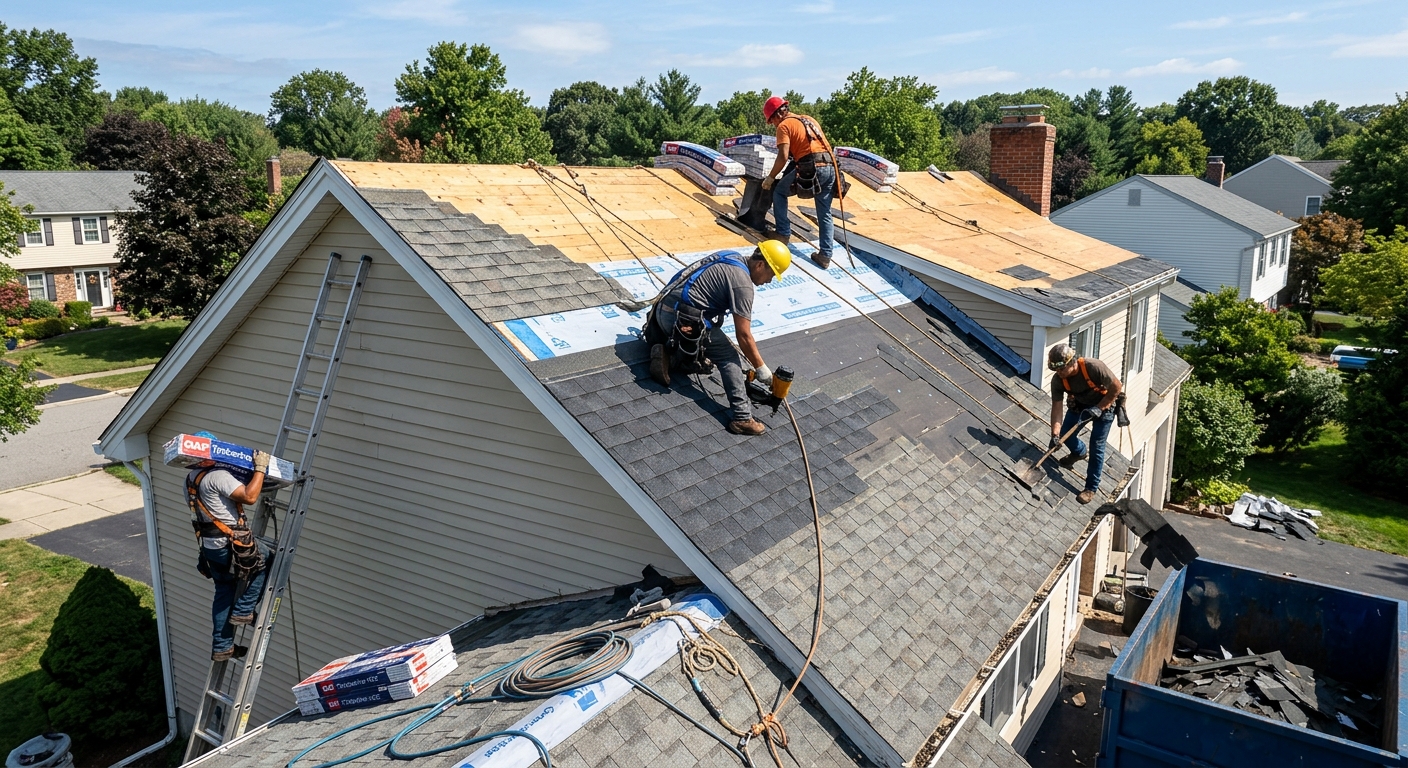
Coldstream homeowners looking at a roof replacement are usually comparing more than just shingles and metal; they are weighing older housing stock, site access, and the realities of a Thompson–Okanagan market where labour is expensive and experienced crews book up quickly. In a community of 11,171 people, with 89.6% of households owning and 82.8% of dwellings being single-detached houses, roof work often means full-surface replacement rather than a simple patch. The age of the housing stock matters too: 45.2% of homes were built before 1981, so it is common to find brittle shingles, tired flashing, or deck repairs once the tear-off starts. Around Coldstream, especially in places like Lavington and the rural benchlands north of the valley floor, those older roofs can also have multiple layers or awkward access that adds labour and disposal cost.
Climate pushes pricing in a different way here than it does in coastal BC or the Prairies. Thompson–Okanagan winters are cold enough for snow, ice dams on eaves, and freeze–thaw movement, but not so severe that every roof needs the heaviest winter specification. That usually keeps costs below what homeowners see in Alberta, while British Columbia labour rates, insurance, and a limited pool of seasoned roofers keep bids from dropping very far. Summer is the busy season, so crews can be scheduled efficiently, but not cheaply. The result is that a straightforward asphalt reroof may land near the low end of the local range, while steep pitches, skylights, or rotten sheathing can push a job into a much higher bracket. The comparison below shows the options most Coldstream homeowners ask about first.
| Type |
Typical Use |
Lifespan |
Best For |
Price Range |
| Full asphalt shingle replacement (tear-off + new install) |
Most single-detached homes needing a complete refresh |
15–25 years |
Budget-conscious homeowners replacing an aging roof with standard protection |
$9,000 – $18,000 |
| Architectural / laminated shingle (premium asphalt) |
Upgraded reroofs where appearance and durability matter |
20–30 years |
Owners wanting better wind resistance and a thicker, more dimensional look |
$11,500 – $21,000 |
| Impact-resistant shingle (Class 4 — hail & wind zones) |
Homes exposed to hail or needing a tougher shingle package |
25–35 years |
Higher-risk exposures, better insurance positioning, and added durability |
$13,500 – $24,000 |
| Metal roofing (steel panels or standing seam) |
Long-life replacement on higher-value homes and rural properties |
40–60+ years |
Owners prioritizing longevity, snow shedding, and lower lifecycle maintenance |
$20,000 – $40,000 |
| Flat / low-slope membrane (TPO or EPDM) |
Garages, additions, shops, and low-slope sections |
20–30 years |
Flat or near-flat roof areas needing watertight membrane performance |
$9,000 – $28,000 |
| Roof repair + flashing only (no full replacement) |
Targeted leak repair, chimney, vent, or valley work |
Varies by roof condition |
Localized failures on otherwise serviceable roofs |
$500 – $3,500 |
Prices are estimates only and vary by project scope, site access and material selection.
What affects the price of roofing in Coldstream
Quotes for what looks like the same roofing job can easily vary by 30–50% across Thompson–Okanagan and British Columbia because the visible roof area is only part of the job. Roof pitch, the number of layers to remove, decking repairs, flashing details, and waste hauling all change the labour hours. Climate-driven details also matter: snow load and freeze-thaw cycles across Ontario and Alberta typically require more aggressive ice-dam protection and heavier underlayment; Alberta’s hail belt pushes demand for impact-rated shingles; coastal BC rain and wind favour metal and premium synthetic underlayment. Coldstream sits in the middle of those pressures, so you may not need the same extreme specification as Calgary or a wet coastal job, but you still need proper eave protection and careful flashing. Because many local homes were built before 1981, it is common to find extra tear-off labour or hidden deck repairs that add $1,000 to $4,000 before the new roof even goes on. A simple asphalt reroof may stay near $9,000 – $18,000, while a metal roof can move into $20,000 – $40,000 depending on roof complexity and access. On larger or steeper homes in rural Coldstream, the same material package can swing significantly just from staging, fall protection, and haul-out time.
| Price Factor |
Why It Matters |
Cost Impact |
| Roof pitch and steepness |
Affects safety equipment and install speed |
Steeper roofs add labour hours and can increase pricing by 10–25% |
| Number of shingle layers to tear off |
2 layers = extra labour + disposal |
Often adds $1,000–$3,000, depending on roof size |
| Total roof area in squares (1 square = 100 sq ft) |
More surface area means more materials and labour |
Larger roofs commonly push jobs from the low band into the middle or upper band |
| Decking condition |
Rotted OSB or plywood must be replaced |
Deck repairs commonly add $80–$140 per sheet installed |
| Chimney, skylight and vent flashing complexity |
More penetrations mean more detailing and leak risk |
Can add $250–$1,500 depending on count and condition |
| Ice-and-water shield coverage required (climate-driven) |
Extra protection at eaves and valleys reduces leak risk |
Adds material cost, especially on cold or shaded roofs |
| Regional labour rates and length of the install season |
Labour is a major part of the quote in BC |
Peak-season demand can add 10–20% versus slower periods |
| Material quality tier (standard vs. impact-rated vs. premium) |
Better products cost more but last longer and resist damage better |
Can move a job from $9,000 – $18,000 into the premium bands |
Permits & regulations in British Columbia
In British Columbia, most like-for-like reroofing jobs do not require a building permit, which means a straightforward tear-off and replacement of the same roof type is usually handled without municipal permit paperwork. That said, permits often become necessary if you are adding structural changes, replacing rotten framing or sheathing beyond normal patching, converting a pitched roof to a flat or low-slope system, changing drainage patterns, or doing anything that affects the building structure. If a second layer is being added where the code or manufacturer does not permit it, that can also trigger a permit issue. For a Coldstream homeowner, the safest approach is to ask the contractor directly whether the scope includes any structural modifications or roof-type changes before work starts.
Before signing, verify three things: British Columbia business credentials, liability insurance, and WCB coverage. First, check the contractor’s registration or licensing status through the relevant online registry or business database and confirm the company name matches the quote and invoice. Second, ask for a current certificate of insurance showing liability coverage, coverage limits, and effective dates; do not rely on a verbal promise. Third, request a WCB clearance letter and confirm it is current for the company doing the work, not a different affiliate. For warranty-backed installs, ask whether the crew is manufacturer-certified for the roofing system being proposed. If any one of those documents is missing, pause the job and keep shopping.
Choosing the right roofing material for Coldstream's climate
Coldstream’s roof choice should start with climate, not with the cheapest line on the quote. Freeze-thaw cycles are real in the Thompson–Okanagan, so eave protection, underlayment quality, and flashing detail matter even when the winter is milder than on the Prairies. Snow load is usually manageable on typical valley homes, but shaded areas, steeper pitches, and older rooflines can still develop ice dams if ventilation is poor. Hail is generally a smaller driver here than in central Alberta, which means many homeowners can stay with architectural shingles if the roof is simple, the attic is ventilated, and the home is not unusually exposed to wind. A good laminated asphalt roof often balances cost, appearance, and resale value well, especially when the project needs to stay in the $11,500 – $21,000 range. Impact-resistant shingles are worth considering when the home has repeated hail exposure, higher wind exposure, or the owner wants a tougher shell and possible insurance benefit; the extra 20–30% premium can make sense if it prevents an early replacement. A steel roof becomes financially attractive when you are planning to stay long term, own a rural property with greater exposure, or want a 40-year-plus solution instead of another asphalt cycle. Flat TPO or EPDM makes sense only on low-slope sections, where a membrane is the right technical answer and better drainage detailing matters more than appearance. In British Columbia, some insurers may offer discounts for impact-resistant or high-wind-rated products, but you should confirm the exact policy terms in writing before counting on savings.
| Material |
Lifespan |
Snow & Ice Performance |
Wind / Hail |
Maintenance |
Price Band |
| Asphalt 3-tab (entry-level) |
15–20 years |
Basic performance; needs good ice-and-water protection |
Moderate wind resistance; weakest hail durability |
Higher upkeep and earlier replacement cycle |
$9,000 – $14,000 |
| Asphalt architectural / laminated (standard) |
20–30 years |
Good for Coldstream when ventilation and flashing are done properly |
Better wind performance than 3-tab; average hail resistance |
Moderate maintenance, strong value for most homes |
$11,500 – $21,000 |
| Impact-resistant shingle (Class 4) |
25–35 years |
Strong edge and surface durability in freeze-thaw conditions |
Best asphalt option for hail and wind uplift |
Low-to-moderate maintenance |
$13,500 – $24,000 |
| Metal — steel panels (exposed fastener) |
30–45 years |
Excellent snow shedding; watch fasteners and detailing |
Very good wind resistance; good hail performance depending on gauge |
Moderate maintenance, periodic fastener checks |
$20,000 – $32,000 |
| Metal — standing seam (concealed fastener) |
40–60+ years |
Excellent for snow and ice management with fewer leak points |
Excellent wind performance; strong long-term durability |
Low maintenance, premium lifecycle value |
$28,000 – $40,000 |
| Flat TPO / EPDM membrane (low-slope only) |
20–30 years |
Works well where drainage is designed correctly; standing water is the risk |
Good wind performance when properly attached and flashed |
Regular inspection of seams, penetrations and drainage |
$9,000 – $28,000 |
How to choose a roofing contractor in Coldstream
Start by verifying the contractor’s British Columbia business registration and asking for a current liability insurance certificate plus WCB clearance. In practice, that means checking the business name on the province’s online registry or business listing, then comparing it to the quote, invoice, and vehicle branding so you know who is actually doing the work. Ask for the certificate of insurance before you pay a deposit, and confirm the policy is current for the job dates. For WCB coverage, request the clearance letter and make sure it names the roofing company, not a subcontractor you have never heard of. Then get at least two, and preferably three, itemised written quotes that separate labour, materials, underlayment, flashing, disposal, deck repairs, and permit costs. A lump sum tells you very little. Read the exclusions carefully: does the quote include disposal, permit pull, valley replacement, rotten decking, skylight flashing, and cleanup? Ask for the workmanship warranty length, the product warranty details, and whether both are transferable if you sell the home. Keep the deposit modest; never pay more than 10–15% upfront, and hold back the balance until the work is complete and inspected. Finally, get a start date and realistic completion window in writing, because weather, crew availability, and supply delays can affect the schedule in Coldstream.
- Verify the company name on the quote matches the insurance certificate and WCB clearance.
- Ask for itemised pricing for labour, materials, tear-off, disposal, and flashing.
- Confirm whether permit application is included or excluded.
- Check if the quote allows for rotten decking replacement and at what unit price.
- Ask what underlayment, ice-and-water shield, and starter products will be used.
- Confirm the shingle brand, metal gauge, or membrane type in writing.
- Get the workmanship warranty length in writing.
- Ask whether the manufacturer warranty is registered and transferable.
- Request the start date, completion estimate, and crew size.
- Clarify who handles magnet sweep, site cleanup, and haul-away.
- Confirm how change orders are approved if hidden damage is found.
- Keep all communications and final invoices for resale and warranty records.
Red flags in Coldstream include a contractor who will not show WCB clearance, a quote that is only one line long, pressure to pay most of the job before work starts, refusal to specify underlayment or flashing details, and anyone promising a full reroof “today” without checking the deck or giving a written scope.
Frequently asked questions — roofing in Coldstream
How much does a new roof cost in Coldstream?
A typical Coldstream roof replacement usually starts around the lower end of the asphalt range and climbs quickly with size, pitch, and hidden repairs. For many single-detached homes, a standard asphalt reroof lands in the $9,000 – $18,000 band, while architectural shingles commonly move into $11,500 – $21,000. If you choose metal, expect a much larger investment, often $20,000 – $40,000. Homes built before 1981 can have extra tear-off layers or deck repairs, which is common in British Columbia and can add thousands. The easiest way to get a realistic number is to ask for an itemised quote that separates labour, materials, disposal, and any decking allowance.
How long does a roof replacement take in Coldstream?
Most straightforward roof replacements in Coldstream take one to three working days once the crew starts, but that timeline changes with roof size, pitch, weather, and hidden damage. A simple asphalt tear-off on a single-storey home may be completed quickly, while a larger rural property, a steep roof, or one with skylights can take longer. If the contractor finds rotten sheathing, chimney flashing problems, or extra ventilation work, the project can stretch by another day or more. In British Columbia, busy summer scheduling also matters because the best crews are often booked ahead. Ask for the start date and completion estimate in writing, and make sure the quote says whether deck repairs or permit-related work could affect timing.
Asphalt shingles vs metal roofing — which is better for Coldstream's climate?
For many Coldstream homes, architectural asphalt shingles are the best balance of cost and performance, especially if the roof is simple and the attic is properly ventilated. They handle the valley climate well when snow, ice-dam control, and flashing are done correctly, and they keep the project in a more manageable price range, often $11,500 – $21,000. Metal is the better long-term choice if you want superior snow shedding, fewer maintenance issues, and a roof that can last 40 years or more, but it usually costs much more, often $20,000 – $40,000. In British Columbia, metal also makes sense on rural or exposed properties where longevity and resale value matter more than first cost.
How long should a roof last in Coldstream?
Roof life in Coldstream depends on the material, the ventilation, and how well the flashing was done. Basic 3-tab shingles may last about 15 to 20 years, while architectural shingles commonly last 20 to 30 years. Impact-resistant shingles can stretch that to 25 to 35 years, and metal roofs often last 40 to 60+ years if they are maintained properly. Freeze-thaw cycles in British Columbia, plus snow and ice at the eaves, can shorten life if the roof is poorly vented or the underlayment is weak. Older homes, especially those built before 1981, are also more likely to have roof details that were not designed to today’s standards. A roof that is near the end of its service life usually shows curling, granule loss, leaks, or repeated flashing failures.
Do I need a permit to replace my roof in British Columbia?
Usually, no permit is needed for a like-for-like reroof in Coldstream or elsewhere in British Columbia, as long as you are replacing the roof with the same general type and are not altering the structure. But you may need a permit if you are making structural repairs, replacing significant deck sections, changing from a pitched roof to a flat or low-slope system, or doing work that changes the building envelope in a substantial way. If the contractor is adding a second layer where it is not allowed, that also becomes a concern. Before signing, ask the contractor whether the project includes any structural work, and confirm in writing who is responsible for permits if they are required.
What are the signs I need a new roof?
In Coldstream, the most common warning signs are curling or brittle shingles, missing tabs after wind, repeated leaks around vents or chimneys, visible sagging, and large patches of granule loss. If you are seeing water stains in the attic after snowmelt or rain, the roof may be failing at the flashing or underlayment, not just the surface shingles. Homes in British Columbia with older roofing, especially pre-1981 houses, can also have multiple layers that hide damage until the tear-off begins. If the roof is near the 20-year mark for asphalt or 30+ years for metal components and repairs keep piling up, replacement is often the better financial decision. A small repair might fall in the $500 – $3,500 range, but repeated patching can cost more than moving to a full reroof.