Roofing options and costs in Gordon Head
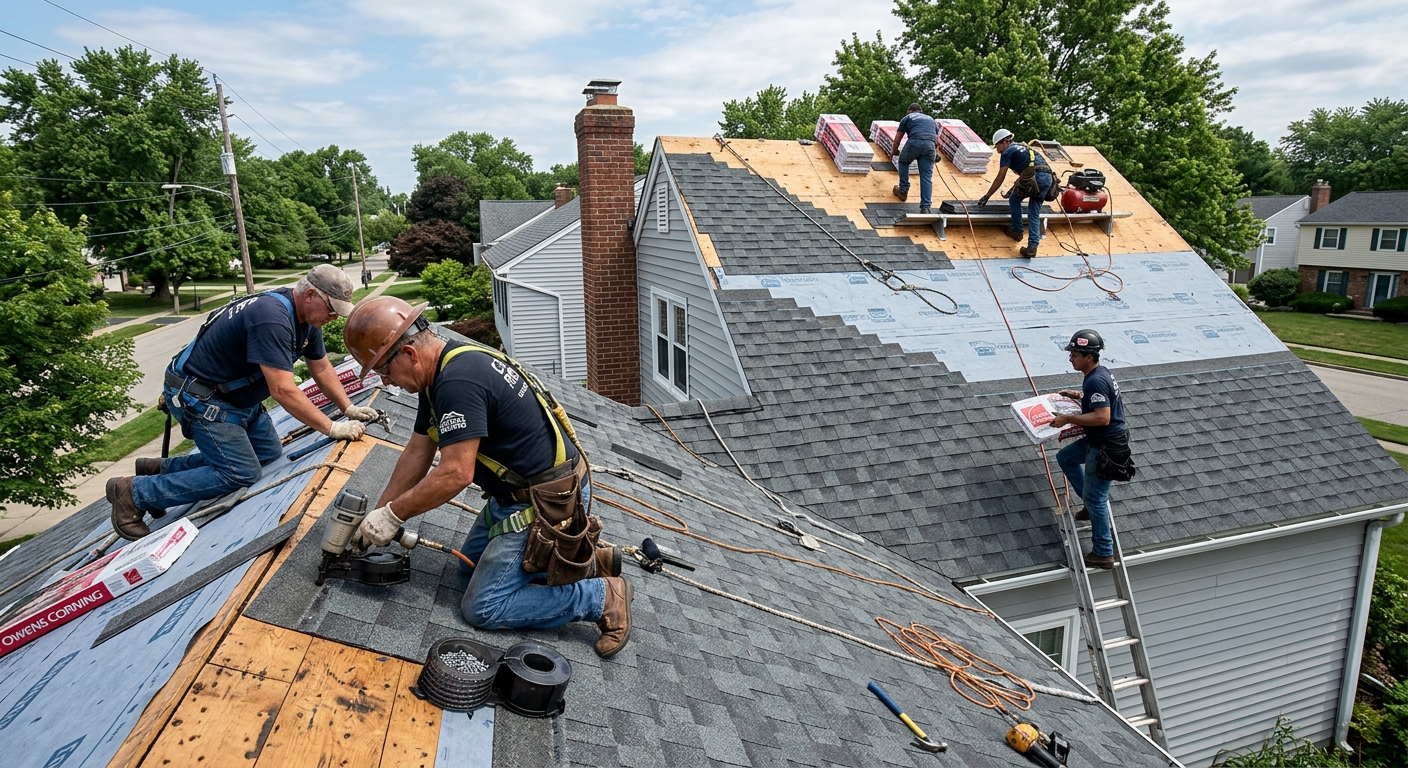
Gordon Head homeowners usually see roofing costs shaped by a mix of older housing stock, coastal weather, and practical site access. With a population of 21,270 (Statistics Canada, 2021 Census), this is a mature residential area where many homes are now at the age when shingles, flashings, and ventilation details begin to fail at the same time. That matters because older roofs are more likely to need full tear-offs, and on some properties that can mean discovering two layers of shingles, soft decking, or dated flashing around chimneys and skylights. In the Lower Mainland–Southwest, the climate is milder than in the Prairies or Ontario, but it is also wet, windy, and stubbornly damp for long stretches. That pushes contractors toward better underlayment, careful detailing, and products that stand up to driving rain and storm gusts rather than snow-load engineering. Labour is generally available year-round, which helps keep schedules more predictable, but access, parking, and staging in neighbourhoods like Gordon Head’s Mount Doug area can still affect pricing. For many homes here, the biggest cost swing comes from whether the job is a straightforward asphalt replacement or a more complex roof with multiple penetrations, repairs, or low-slope sections. The comparison below shows the most common options homeowners ask about, from basic shingle replacements to premium metal and flat-roof systems.
| Type |
Typical Use |
Lifespan |
Best For |
Price Range |
| Full asphalt shingle replacement (tear-off + new install) |
Most single-family homes with pitched roofs |
15–25 years |
Budget-conscious owners wanting a dependable re-roof |
$8,000–$18,000 |
| Architectural / laminated shingle (premium asphalt) |
Upgraded pitched roofs with better curb appeal |
20–30 years |
Homes where appearance and thicker weather protection matter |
$10,000–$20,000 |
| Impact-resistant shingle (Class 4 — hail & wind zones) |
Homes exposed to stronger winds or higher insurance scrutiny |
25–35 years |
Owners wanting stronger granule retention and impact performance |
$12,000–$24,000 |
| Metal roofing (steel panels or standing seam) |
Long-life pitched roofs on higher-value homes |
40–60+ years |
Best long-term durability and wind resistance |
$20,000–$45,000 |
| Flat / low-slope membrane (TPO or EPDM) |
Flat sections, additions, and low-slope roofs |
15–25 years |
Modern low-slope assemblies needing reliable waterproofing |
$9,000–$25,000 |
| Roof repair + flashing only (no full replacement) |
Localized leaks, chimney work, vent flashing, valley repairs |
2–10 years depending on roof condition |
Homes with isolated damage or maintenance issues |
$500–$8,000 |
Prices are estimates only and vary by project scope, site access and material selection.
What affects the price of roofing in Gordon Head
Quotes for the same roofing job can vary by 30–50% across Lower Mainland–Southwest BC and within British Columbia because contractors are not pricing just shingles; they are pricing risk, access, labour time, and the weather performance the roof needs to deliver. A straightforward asphalt replacement in Gordon Head might land near the lower half of the $8,000–$18,000 range, while the same roof with multiple skylights, two chimney stacks, and damaged plywood can climb quickly. Coastal BC rain and wind push contractors toward premium synthetic underlayment, better flashing, and sometimes metal systems, especially where exposed ridges or gable ends take storm gusts. In Ontario and Alberta, snow load and freeze-thaw cycles usually increase the amount of ice-dam protection, colder-weather detailing, and ventilation work required, which adds labour and materials; Alberta’s hail belt also drives demand for impact-rated shingles. Those regional realities explain why a roof that costs $12,000 in one market may be quoted much higher elsewhere. In Gordon Head, a steep roof on a larger older home near Mount Doug Park can mean more harness setup and slower shingle installation, while a low-slope addition may require a membrane system closer to the $9,000–$25,000 band. Older homes can also reveal hidden issues: replacing rotten decking, upgrading flashings, or adding proper edge protection can add several thousand dollars. Labour rates are steadier than in harsher climates, but careful waterproofing on wet, windy sites still matters enough that the cheapest quote is rarely the best value.
| Price Factor |
Why It Matters |
Cost Impact |
| Roof pitch and steepness |
Affects safety equipment and install speed |
Steeper roofs can add 10–25% to labour |
| Number of shingle layers to tear off |
2 layers = extra labour + disposal |
Often adds $1,000–$3,500 |
| Total roof area in squares (1 square = 100 sq ft) |
More area means more materials, labour and disposal |
Each additional square can add $300–$900 |
| Decking condition |
Rotted OSB or plywood must be replaced |
Commonly adds $600–$4,000 |
| Chimney, skylight and vent flashing complexity |
More penetrations increase leak risk and labour time |
Can add $300–$2,500 |
| Ice-and-water shield coverage required (climate-driven) |
Extra waterproofing at eaves and valleys improves leak resistance |
Typically adds $250–$1,500 |
| Regional labour rates and length of the install season |
Busy schedules and access limits affect pricing |
Can shift totals by 5–15% |
| Material quality tier (standard vs. impact-rated vs. premium) |
Better products cost more but last longer and resist wind better |
May move a quote from $8,000–$18,000 to $12,000–$24,000 |
Permits & regulations in British Columbia
In British Columbia, most like-for-like re-roofing jobs do not require a building permit, so replacing worn shingles with a similar roof assembly is typically straightforward. By contrast, a permit is often required if you are changing the roof structure, adding structural deck repairs that go beyond minor patching, converting a pitched roof to a flat roof, or altering drainage details in a way that affects the building envelope. If the job involves replacing rotten sheathing, replacing rafters, or modifying framing, your contractor should confirm whether the municipality wants a permit before work starts. For homeowners in Gordon Head, the key is not to assume every roofing crew is properly covered. Before signing, ask for proof of liability insurance, a current WCB clearance letter, and evidence of manufacturer certification if the installer is promising warranty-backed products. To verify a contractor, first check their business name and licence status in the relevant online registry or municipal business records if applicable. Second, ask for a certificate of insurance showing active general liability coverage and make sure the policy dates cover the project window. Third, request a WCB clearance letter directly from the contractor and confirm it is current. If any of those documents are missing, expired, or inconsistent with the company name on the quote, treat that as a warning sign. A professional roofer in British Columbia should be able to provide all three promptly and without hesitation.
Choosing the right roofing material for Gordon Head's climate
Gordon Head’s climate is mostly about sustained rain, coastal wind, and occasional winter cold snaps rather than deep snow, so the best roofing choice is the one that keeps water out reliably over many wet seasons. Architectural shingles are usually the sweet spot for many homes here: they cost less than metal, look good on most neighbourhood houses, and handle the Lower Mainland–Southwest market well when installed with quality underlayment and proper flashing. If a homeowner is comparing a standard shingle roof at around $8,000–$18,000 with impact-resistant shingles at roughly a 20–30% premium, the upgrade makes sense when the home sits in a wind-exposed location, has a history of shingle loss, or the owner wants a tougher product for resale. In British Columbia, some insurers may offer better terms for wind-resistant assemblies, though discounts are not universal and should be confirmed in writing before you count on them. Metal roofing costs much more up front, but on a long-term ownership horizon it can be the better financial choice for a higher-value Gordon Head property because it resists wind well, sheds water efficiently, and often outlasts a couple of asphalt cycles. Flat TPO or EPDM systems make sense only where the roof is actually low-slope; on additions and modern sections, they can be cost-effective and durable if detailed properly. In practical terms, paying an extra $3,000–$6,000 for a better shingle or membrane system is justified when it prevents repeat leaks, while paying much more than that for premium metal only makes sense if you plan to stay long enough to benefit from the service life and lower maintenance burden.
| Material |
Lifespan |
Snow & Ice Performance |
Wind / Hail |
Maintenance |
Price Band |
| Asphalt 3-tab (entry-level) |
12–18 years |
Basic performance; least forgiving in wet climate details |
Moderate wind resistance; weakest option here |
Higher risk of curling and granule loss |
$8,000–$14,000 |
| Asphalt architectural / laminated (standard) |
20–30 years |
Good when paired with proper underlayment and flashing |
Better wind performance than 3-tab |
Moderate upkeep; occasional inspections recommended |
$10,000–$20,000 |
| Impact-resistant shingle (Class 4) |
25–35 years |
Strong all-season waterproofing with quality installation |
Best shingle option for wind and impact resistance |
Low to moderate; good for exposed roofs |
$12,000–$24,000 |
| Metal — steel panels (exposed fastener) |
30–45 years |
Excellent shedding of rain and winter moisture |
Very good wind resistance; moderate impact resistance |
Check fasteners and sealants over time |
$20,000–$35,000 |
| Metal — standing seam (concealed fastener) |
40–60+ years |
Outstanding for wet coastal conditions |
Excellent in wind; strong overall durability |
Lowest routine maintenance of the pitched options |
$28,000–$45,000 |
| Flat TPO / EPDM membrane (low-slope only) |
15–25 years |
Good when slope, drainage and detailing are correct |
Wind performance depends on fastening and edge details |
Needs periodic drain and seam inspections |
$9,000–$25,000 |
How to choose a roofing contractor in Gordon Head
Start by verifying the basics before you compare price. Ask for the contractor’s British Columbia business information and confirm the company name on the quote matches the name on the insurance documents. Request a certificate of insurance for liability coverage, and do not accept a verbal promise that they are insured. Ask for a current WCB clearance letter showing the company is in good standing. Then get 2–3 itemised written quotes that separate labour, materials, tear-off, disposal, underlayment, flashing, and any decking repairs. A lump-sum quote hides where the money is going and makes it hard to compare scope. Read the exclusions carefully: does the quote include permit pull if one is needed, disposal bin costs, new vents, chimney flashing, and cleanup? Warranty matters too. Good contractors will state the workmanship warranty length, the manufacturer warranty terms, and whether the warranty transfers to a future buyer. Payment terms should be modest up front; never pay more than 10–15% before work begins, and hold back the balance until the job is complete and you have a final walkthrough. Finally, insist on a start date and a realistic completion estimate in writing, because weather delays happen but vague timelines are a warning sign.
- Confirm the company name on the quote matches the insurance certificate.
- Ask for a current WCB clearance letter.
- Request itemised pricing for labour and materials.
- Check whether tear-off and disposal are included.
- Ask if permit fees are included or extra.
- Get the workmanship warranty in writing.
- Confirm the manufacturer warranty and whether it is transferable.
- Verify the roof system specified, not just “new shingles.”
- Ask who will handle flashing at chimneys, skylights and vents.
- Set the deposit at 10–15% maximum.
- Require a written start date and completion window.
- Keep copies of all documents and change orders.
Red flags in Gordon Head include a quote that is far below the others without explanation, refusal to provide insurance or WCB documents, pressure to pay cash up front, no mention of flashing or disposal, and vague promises like “we’ll fit you in when we can.”
Frequently asked questions — roofing in Gordon Head
Can a roofing contractor work year-round in Gordon Head?
Yes, a roofing contractor can usually work year-round in Gordon Head, British Columbia, because the Lower Mainland–Southwest climate is much milder than many other Canadian regions. That said, winter work is still weather-dependent. Heavy rain, strong gusts, and slick surfaces can slow production, especially on steeper roofs or homes near exposed corners and open setbacks. Most asphalt replacements can still be done outside the deepest winter periods if the crew has dry install windows and the right underlayment. For homeowners, this year-round availability can keep pricing more predictable than in colder regions where short seasons create labour spikes. If you are comparing a reroof near the $8,000–$18,000 range, ask the contractor how they handle wet-weather scheduling, membrane staging, and material storage so the job does not sit exposed between tear-off and installation.
What is a roofing square and how does it affect my quote?
A roofing square is a standard unit equal to 100 square feet of roof area. In Gordon Head, contractors use squares to estimate materials, labour, waste, and disposal, which is why roof size has such a direct effect on your quote. A small roof might be 15 squares, while a larger older home can be 25 squares or more once overhangs and pitch are accounted for. That means even a modest price change per square can move the final total by thousands of dollars. For example, a shingle roof in the $8,000–$18,000 band may be closer to the low end on a simple 15-square roof, but the same product on a bigger, steeper home can push much higher. Ask each contractor to show the roof measurement used in the quote so you can compare apples to apples.
How do I maintain my roof between replacements in Gordon Head?
In Gordon Head, roof maintenance is mostly about preventing moisture from lingering. Clean gutters and downspouts at least twice a year, especially after autumn leaf drop and winter storms. Check for moss, blocked valleys, lifted shingles, and cracked sealant around vents or chimney flashings. Because the local climate brings long wet stretches, small defects can turn into leaks faster than many homeowners expect. If your roof is nearing the end of its service life, spending a few hundred dollars on inspections and minor repairs can delay a full replacement and protect interior finishes. A typical repair and flashing job can fall anywhere from $500–$8,000, depending on scope. It is also smart to trim overhanging branches so debris does not hold moisture against the roof surface. If you see repeated leaks, do not keep patching indefinitely; a bigger repair may be the more economical choice.
How do I know if a roofing contractor is licensed in British Columbia?
In British Columbia, the practical way to check a roofing contractor is to verify the business identity, insurance, and WCB coverage together. Ask for the company’s legal name and compare it with the name on the quote and the certificate of insurance. Then request the insurer’s certificate showing active liability coverage for the project dates. Next, ask for a current WCB clearance letter and confirm the account is in good standing. If the company claims special product certification, ask the manufacturer or supplier details for that program as well. In Gordon Head, you should not rely on a website logo alone. A legitimate roofer will provide documents quickly and without excuses. If you are considering a full replacement in the $10,000–$20,000 range or higher, those checks are worth doing before any deposit changes hands.
How much does a new roof cost in Gordon Head?
Most new roofs in Gordon Head land within the local price bands, but the final total depends on pitch, layers to remove, flashing work, and material choice. A standard asphalt reroof often falls between $8,000–$18,000, while architectural shingles may move into the $10,000–$20,000 range. If you want a metal roof, especially standing seam, the budget usually rises to $20,000–$45,000. Flat or low-slope sections are priced separately and can land around $9,000–$25,000. For a typical Gordon Head home, the difference between a basic and premium system is often justified by longevity, wind resistance, and lower maintenance. If a quote is far outside those ranges, ask what is included: tear-off, disposal, decking replacement, flashing, and permit work can all change the final number.
How long does a roof replacement take in Gordon Head?
Most roof replacements in Gordon Head take one to three working days for a straightforward single-family home, assuming the weather cooperates and no major decking repairs are needed. Larger homes, steeper pitches, multiple skylights, or hidden rot can stretch the schedule to four or more days. Coastal rain is the biggest timing factor, because crews need safe, dry conditions to remove the old roof and install underlayment and flashing properly. A roof in the $8,000–$18,000 range often represents a relatively simple replacement, while a premium system or a home with low-slope sections can take longer. Ask your contractor for a written start date, estimated completion date, and a plan for weather delays so you know what to expect. In British Columbia, good scheduling matters as much as good materials.