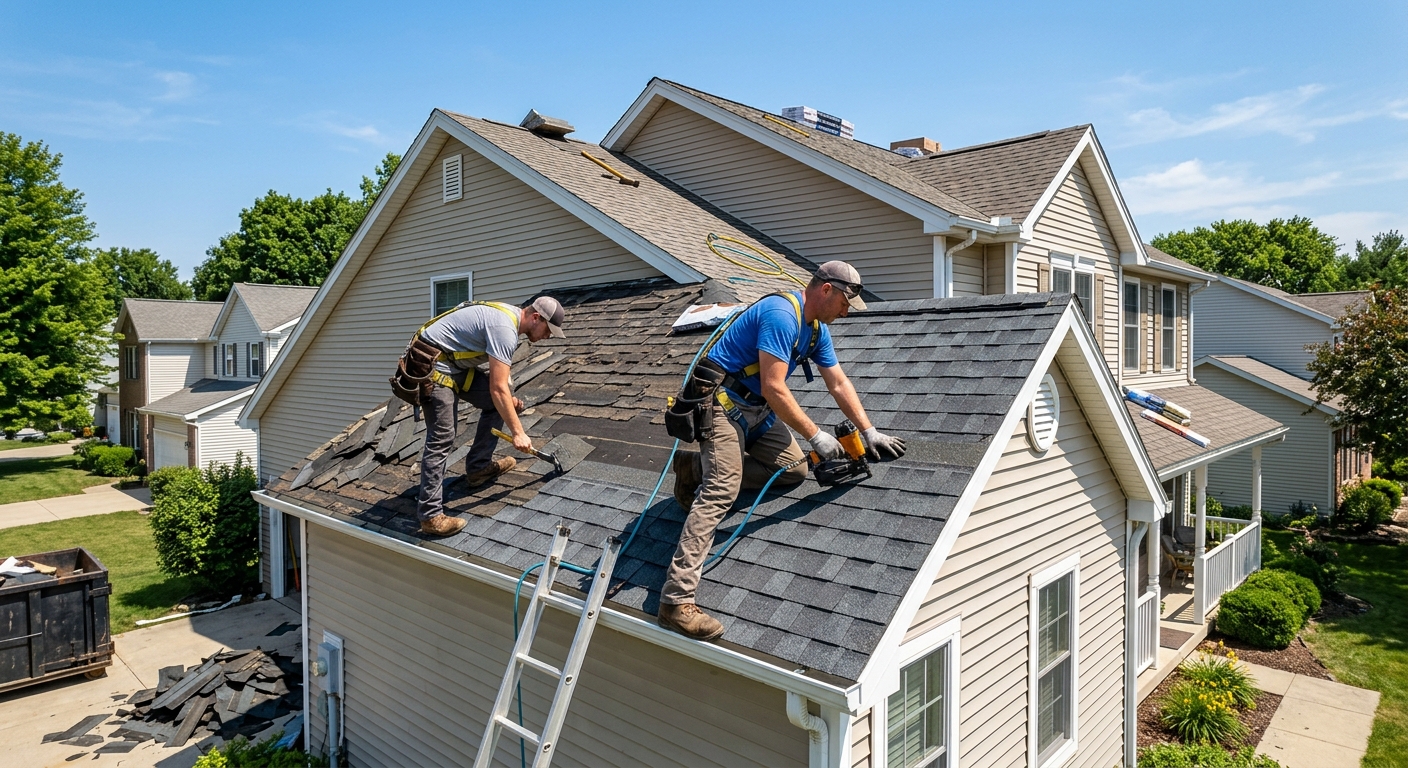
Roofing options and costs in South Pender Harbour
South Pender Harbour homeowners often discover that roofing costs are shaped as much by coastal weather as by the house itself. With a population of 1,187 (Statistics Canada, 2021 Census), this is a small market, and that matters: there are fewer crews working locally, so scheduling can tighten quickly when a string of wet-weather days pushes multiple jobs back at once. In a place like Garden Bay and the surrounding South Pender Harbour shoreline, roofs are constantly dealing with wind-driven rain, damp marine air and occasional storm gusts, so the best quotes usually include better underlayment, careful flashing work and solid ventilation rather than just a basic shingle swap. Compared with Ontario or Alberta, the Lower Mainland–Southwest climate tends to keep snow loads lower and install seasons longer, which helps avoid some winter shutdown costs, but the trade-off is that rain protection and detailing become more important, especially on older homes. In a community where many houses are approaching mid-life or older, it is common to see extra tear-off labour, deck repairs and flashing upgrades added to a base price. That is why a straightforward replacement might come in near the low end of the range, while a project with steep access, multiple penetrations or rotten plywood can move up fast. The comparison below shows the most common options and where they tend to land financially for local homeowners.
| Type |
Typical Use |
Lifespan |
Best For |
Price Range |
| Full asphalt shingle replacement (tear-off + new install) |
Most detached homes needing a full refresh |
18–25 years |
Budget-conscious owners who want a familiar, proven system |
$8,000 – $18,000 |
| Architectural / laminated shingle (premium asphalt) |
Standard pitched roofs with better curb appeal |
25–35 years |
Homeowners wanting a stronger shingle with better wind performance |
$10,500 – $20,000 |
| Impact-resistant shingle (Class 4 — hail & wind zones) |
Homes exposed to stronger wind events or hail concerns |
25–40 years |
Owners prioritizing durability and possible insurance advantages |
$12,000 – $22,000 |
| Metal roofing (steel panels or standing seam) |
Long-life residential and rural coastal homes |
40–60+ years |
Maximum durability, wind resistance and lower long-term maintenance |
$20,000 – $45,000 |
| Flat / low-slope membrane (TPO or EPDM) |
Flat additions, porches, multi-family and low-slope sections |
15–25 years |
Roofs with minimal pitch that need reliable waterproofing |
$9,000 – $25,000 |
| Roof repair + flashing only (no full replacement) |
Localized leaks, chimney work, vent and valley repairs |
2–10 years depending on condition |
Owners buying time before a full replacement |
$500 – $8,000 |
Prices are estimates only and vary by project scope, site access and material selection.
What affects the price of roofing in South Pender Harbour
Even for the same roof size, quotes across Lower Mainland–Southwest British Columbia can differ by 30–50% because contractors are not pricing just shingles; they are pricing risk, access and labour efficiency. In Ontario and Alberta, snow load and freeze-thaw cycles often drive more aggressive ice-dam protection, thicker underlayments and ventilation upgrades, which increases material and labour time. Alberta’s hail belt also pushes demand for impact-rated shingles, and that premium can be built into every quote whether the homeowner needs it or not. By contrast, coastal BC pricing is shaped by long periods of rain, wind exposure and the need for dependable waterproofing, so crews often recommend higher-grade underlayment, upgraded flashings and, on some homes, metal roofing or premium synthetic underlayment. In South Pender Harbour, a steep roof above a wooded lot with limited driveway access can easily add several thousand dollars in setup, staging and disposal costs. A simple tear-off on a straightforward bungalow may stay close to the lower end of the $8,000–$18,000 asphalt range, while a roof with two layers to remove, rotten deck sections and multiple skylights can climb well into the upper band or beyond. Labour is also more predictable here than in colder regions because installers can work year-round, but wet-weather delays still affect scheduling and small-job pricing. Older housing stock in a small place like this often means more flashing repairs and hidden substrate damage, and those extras are what move a quote from reasonable to expensive.
| Price Factor |
Why It Matters |
Cost Impact |
| Roof pitch and steepness |
Affects safety equipment and install speed |
Can add 10–25% for harnessing, staging and slower production |
| Number of shingle layers to tear off |
2 layers = extra labour + disposal |
Often adds $1,000 – $4,000 to a re-roof |
| Total roof area in squares (1 square = 100 sq ft) |
More surface area means more material, labour and waste |
Each additional 10 squares can add roughly $1,500 – $4,000 depending on material |
| Decking condition |
Rotted OSB or plywood must be replaced |
Commonly adds $80 – $150 per sheet installed |
| Chimney, skylight and vent flashing complexity |
More penetrations mean more labour and leak-risk detailing |
Can add $300 – $2,500 depending on count and access |
| Ice-and-water shield coverage required |
Climate-driven waterproofing at eaves, valleys and critical areas |
Usually adds $300 – $1,500 on typical homes |
| Regional labour rates and length of the install season |
Demand, access and weather windows influence pricing |
May move a project by 15–30% between busy and slow periods |
| Material quality tier (standard vs. impact-rated vs. premium) |
Higher-grade products cost more but can improve wind resistance and lifespan |
Can shift a project from the low end of $8,000 – $18,000 to the upper end of $20,000 – $45,000 |
Permits & regulations in British Columbia
In British Columbia, most like-for-like re-roofing jobs do not need a building permit, but there are clear exceptions. If a project involves structural deck repairs, significant sheathing replacement, converting a pitched roof to a flat roof, changing roof framing, or adding a second roof layer where local code or the existing condition does not allow it, a permit may be required. The same is true if the work changes drainage, affects fire separation, or alters structural loads. A straightforward shingle replacement on an existing roof usually does not require a permit, but anything that changes the roof assembly or structure should be checked before work starts. Contractors should also carry liability insurance and workers’ compensation coverage through WorkSafeBC; ask for proof rather than taking a verbal assurance. For warranty-backed installs, manufacturer certification matters too, especially on metal and premium shingle systems.
To verify a contractor in South Pender Harbour, start with the company name and look it up in British Columbia’s online business registry and any applicable trade or corporate records. Then ask for a current certificate of insurance showing the insurer, policy number, coverage limits and expiry date. For workers’ compensation, request a clearance letter or account status from WorkSafeBC; a reputable contractor can provide it quickly. Finally, confirm manufacturer certification if the quote includes a product warranty that depends on certified installation. If the contractor hesitates to provide these documents, that is a warning sign before you sign anything.
Choosing the right roofing material for South Pender Harbour's climate
South Pender Harbour’s roofing decisions should be driven by moisture management first, then by wind exposure, then by appearance. This coastal part of British Columbia sees steady rain, humid conditions and gusty storms, so the roof system has to shed water reliably and stay sealed at edges, valleys and penetrations. On simpler homes with decent slope and good attic ventilation, architectural shingles are usually enough and make sense when the homeowner wants a dependable, moderate-cost option in the $10,500 – $20,000 range. They offer better wind resistance and longer life than basic 3-tab shingles without jumping to metal pricing. If the house is more exposed, sits near open water, or has already lost shingles in past wind events, impact-resistant shingles can be worth the 20–30% premium because they improve resistance to blow-offs and may help with insurance underwriting or discounts where available in British Columbia. That extra cost is easier to justify if the upgrade adds only $2,000–$4,000 on a mid-sized roof and prevents repeated repairs. Metal roofing makes the strongest long-term financial case for owners planning to stay put; yes, the upfront cost is much higher, but the 40–60+ year lifespan and lower maintenance often offset the premium over time, especially on exposed coastal homes. Flat or low-slope membrane systems are a separate category: they are not a style choice, they are a performance requirement when the roof pitch is minimal. For resale, a clean, well-installed metal roof can be a selling point in this market, while a tired 3-tab roof can make buyers budget for replacement immediately.
| Material |
Lifespan |
Snow & Ice Performance |
Wind / Hail |
Maintenance |
Price Band |
| Asphalt 3-tab (entry-level) |
15–20 years |
Basic performance; more vulnerable at edges and valleys |
Lower wind resistance; limited hail resilience |
Higher chance of curling and premature wear |
$8,000 – $13,000 |
| Asphalt architectural / laminated (standard) |
25–35 years |
Good with proper underlayment and ventilation |
Better wind resistance than 3-tab; moderate hail performance |
Moderate upkeep; occasional flashing checks |
$10,500 – $20,000 |
| Impact-resistant shingle (Class 4) |
25–40 years |
Strong when paired with proper ice-and-water protection |
Best asphalt option for storm-prone exposure |
Low to moderate upkeep; inspect after major wind events |
$12,000 – $22,000 |
| Metal — steel panels (exposed fastener) |
30–50 years |
Very good shedding; fewer ice issues with proper detailing |
Excellent wind resistance; good impact tolerance |
Low maintenance, but fasteners and sealant need checks |
$20,000 – $32,000 |
| Metal — standing seam (concealed fastener) |
40–60+ years |
Excellent water shedding and edge performance |
Excellent wind performance; strong long-term durability |
Very low maintenance; best for long-term ownership |
$28,000 – $45,000 |
| Flat TPO / EPDM membrane (low-slope only) |
15–25 years |
Good on the right slope; must be detailed carefully |
Varies by system and attachment method |
Requires regular inspection of seams, drains and penetrations |
$9,000 – $25,000 |
How to choose a roofing contractor in South Pender Harbour
In South Pender Harbour, the safest way to compare roofing contractors is to verify the paperwork before you compare the price. Start by checking British Columbia registration and business standing online, then ask for a certificate of insurance and confirm the policy is current and sized appropriately for the job. For workers’ compensation, ask for a WorkSafeBC clearance letter or account-in-good-standing confirmation; if a contractor cannot produce it, move on. After that, get two or three itemised written quotes that separate labour, materials, tear-off, disposal, flashing, ventilation and any deck repair allowance. A lump sum tells you very little. Read the scope carefully so you know whether permit application, waste removal, drip edge, ice-and-water shield, and final cleanup are included. Warranty matters too: ask how long the workmanship warranty lasts, whether the product warranty is from the manufacturer, and whether either one transfers if you sell the home. Payment terms should be conservative; on a typical residential roof, never pay more than 10–15% upfront, and hold the balance until the work is complete and inspected. Finally, insist on a written start date and an estimated completion window, because weather delays in coastal BC are real and should be addressed in the contract rather than handled informally.
- Verify the company name and registration before signing.
- Ask for a current liability insurance certificate.
- Request WorkSafeBC clearance in writing.
- Confirm who is pulling the permit, if one is needed.
- Get labour and material costs listed separately.
- Make sure tear-off and disposal are included.
- Ask how deck repairs are billed if hidden damage is found.
- Confirm ventilation, flashing and underlayment details.
- Ask for workmanship warranty length in writing.
- Check whether product warranties are transferable.
- Keep the deposit small and tied to mobilization only.
- Get the start date and completion estimate in the contract.
Red flags in South Pender Harbour include a contractor who wants most of the money upfront, refuses to itemize flashing or disposal, cannot show insurance or WorkSafeBC paperwork, gives only a verbal quote, or pressures you to skip proper underlayment because “it’s just a simple roof.”
Frequently asked questions — roofing in South Pender Harbour
Can I roof over my existing shingles?
Sometimes, but in South Pender Harbour it is usually not the best long-term choice. A second layer can save money up front, yet it can also hide soft decking, trap heat, and make future repairs harder. On a coastal roof that already faces heavy rain and wind, adding weight and stacking materials can shorten the life of the new roof if the old shingles are uneven or brittle. In British Columbia, many contractors prefer a full tear-off when the roof is nearing the end of its service life or if there are already leaks at flashing points. If you are trying to keep costs down, roof-over work can be cheaper than a full tear-off, but it is still worth comparing it against a proper replacement in the $8,000 – $18,000 range. If the deck is sound, the slope is right, and the local code allows it, a second layer may be acceptable; otherwise, tear-off is the safer bet.
How do ice dams affect roofs in South Pender Harbour and how do I prevent them?
Ice dams are less common in South Pender Harbour than in colder parts of British Columbia, Ontario or Alberta, but they can still form during cold snaps, especially on poorly ventilated roofs with warm attic space. When snow melts and refreezes at the eaves, water can back up under shingles and find its way into the roof deck or wall assembly. Coastal homes usually need less aggressive ice-dam protection than Prairie or Eastern Canadian roofs, but that does not mean details can be ignored. Proper attic insulation, balanced ventilation, sealed ceiling penetrations and ice-and-water shield at eaves and valleys are still important. On a replacement job, adding that protection may only cost a few hundred dollars, which is a small price compared with the cost of repairing stained drywall or rotten sheathing. If your roof already leaks after a cold spell, have a contractor inspect the underside before winter returns.
What roofing warranty should I expect?
In South Pender Harbour, you should expect two separate warranties: the manufacturer’s product warranty and the contractor’s workmanship warranty. Product warranties can be long, especially on premium shingles and metal panels, but they usually only apply if the system is installed correctly and the paperwork is complete. Workmanship warranties are shorter and cover installation errors such as poor flashing, bad sealing or missed fasteners. For a typical residential roof in British Columbia, a workmanship warranty of 5 to 10 years is common, though some firms offer more. Always ask whether the warranty is transferable if you sell the home. That matters because buyers in a small market like this often pay attention to roof age and remaining coverage. A lower-priced job near the $8,000 range may still be fine, but only if the contractor stands behind it and the installation details are documented clearly.
Is metal roofing worth the extra cost in South Pender Harbour?
For many homes in South Pender Harbour, yes, but only if you plan to stay in the house long enough to benefit from the longer service life. Metal roofing shines in a coastal environment because it handles wind, rain and damp conditions very well, and it typically outlasts asphalt by decades. The trade-off is price: a steel panel roof may start around the low end of the $20,000 – $45,000 band, while a standing seam system can be much more. If an asphalt roof would cost $14,000 and a comparable metal roof is $32,000, the extra $18,000 can be worth it if you want lower maintenance, better resale appeal and fewer replacement cycles. For a seasonal property or a home you may sell soon, the payback is less obvious. Metal makes the strongest sense on exposed roofs, difficult access jobs, and homes where repeated re-roofing would be more disruptive than paying more once.
What time of year is best to replace a roof in South Pender Harbour?
In South Pender Harbour, the best roofing window is usually late spring through early fall, when crews can work more efficiently and materials seal properly. That said, coastal British Columbia is much more forgiving than colder regions, so winter replacement is still possible when weather windows open up. The main issue is rain, not snow depth. If you wait for a perfectly dry season, you may miss your spot in the schedule, especially if your roof is already leaking. Summer and early fall often bring the highest demand, which can affect labour availability and pricing, but the work tends to move faster and with fewer interruptions. If your roof is failing, don’t delay just to chase a season. A mid-season job in the $10,500 – $20,000 asphalt range is usually better than paying for interior water damage while waiting for the “ideal” month.
How do I compare roofing quotes fairly?
To compare quotes fairly in South Pender Harbour, make sure each contractor is pricing the same scope. Look for tear-off method, underlayment type, flashing details, ventilation upgrades, disposal, permit handling, and whether deck repairs are included or only allowed as an allowance. One quote may seem cheaper because it leaves out drip edge, ice-and-water shield or cleanup, while another appears higher because it includes proper protection and a better warranty. Ask each bidder to break out labour and materials separately so you can see where the money is going. Also compare product tier carefully: a standard architectural shingle quote is not directly comparable to an impact-resistant or metal proposal. If one bid is $12,000 and another is $16,500, the difference may be justified by flashing upgrades, extra tear-off layers or better warranty coverage. In British Columbia, the lowest number is not always the best value when rain performance matters.