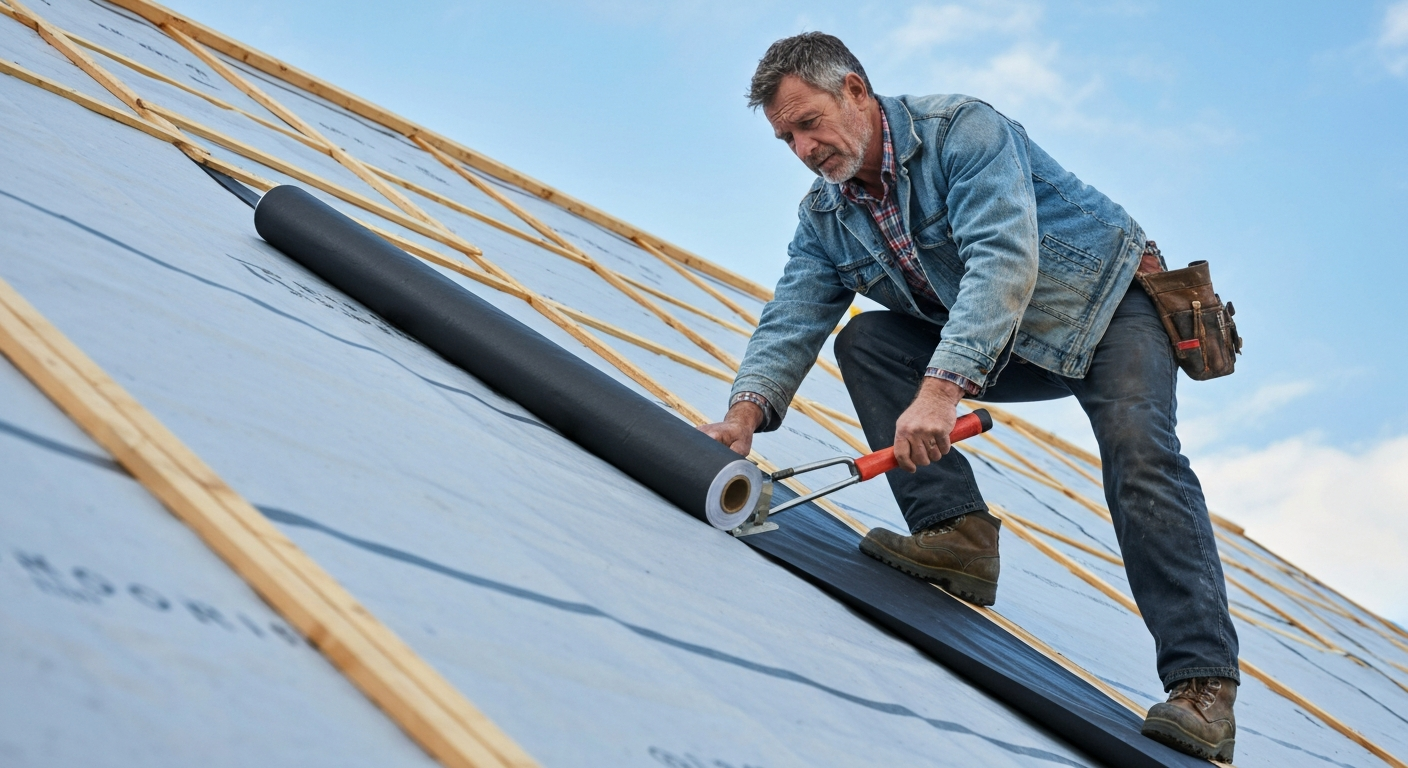
Roofing options and costs in York University Heights
York University Heights sits in a busy part of Toronto where roofing demand is steady because the housing stock is large, mixed-age, and exposed to the same cold-weather stress that affects much of the region. With a population of 27,593 (Statistics Canada, 2021 Census), there are many homes competing for the same seasonal roofing crews, which can tighten scheduling and push up labour in peak months. In neighbourhood pockets near Jane and Finch, Black Creek, and around Keele and Sheppard, we regularly see roofs that have already been through multiple freeze-thaw seasons, and that matters because Toronto’s winter conditions accelerate shingle fatigue, flashing movement, and ice-dam risk. In practice, those conditions often mean more attention to attic ventilation, eave protection, and tear-off labour than homeowners first expect.
Toronto pricing also reflects a broader regional market where contractors must plan for snow load, ice-dam membranes, and short workable windows. Unlike milder parts of the country, a Toronto reroof is rarely just “shingles on and done”; good contractors price in underlayment upgrades, safer access, and winter-ready detailing. That is why a seemingly straightforward asphalt job can land anywhere from the low end of the local band to a much higher total once decking repairs, ventilation work, or chimney flashing are added. If your home is near older corridors or has a more complex roofline, the quote will usually move toward the middle or upper end of the market. The comparison below breaks down the most common options so you can see where the money goes and which systems fit York University Heights best.
| Type |
Typical Use |
Lifespan |
Best For |
Price Range |
| Full asphalt shingle replacement (tear-off + new install) |
Most detached homes and semis needing a complete reset |
15–25 years |
Homeowners wanting the lowest upfront cost with a full warranty-ready install |
$7,000 – $13,500 |
| Architectural / laminated shingle (premium asphalt) |
Standard steep-slope residential roofs |
20–30 years |
Better curb appeal, thicker profile, stronger wind resistance |
$8,500 – $16,500 |
| Impact-resistant shingle (Class 4 — hail & wind zones) |
Homes where durability and insurance resilience matter |
25–30+ years |
Higher performance in storm-prone conditions and reduced impact damage |
$10,000 – $18,000 |
| Metal roofing (steel panels or standing seam) |
Long-life steep-slope roofs and premium retrofits |
40–50+ years |
Owners planning to stay long term and wanting low maintenance |
$15,000 – $35,000 |
| Flat / low-slope membrane (TPO or EPDM) |
Additions, porches, condos, and low-slope sections |
20–30 years |
Flat roofs needing dependable waterproofing and clean detailing |
$12,000 – $28,000 |
| Roof repair + flashing only (no full replacement) |
Localized leaks, chimney work, vent replacements |
Varies by repair scope |
Small leak fixes where the main roof still has serviceable life |
$300 – $2,500 |
Prices are estimates only and vary by project scope, site access and material selection.
What affects the price of roofing in York University Heights
It is normal for quotes on the same roof to differ by 30–50% across Toronto and the rest of Ontario because roofing is priced from risk, access, material choice, and how much hidden work the crew expects to find. In York University Heights, one contractor may price a simple steep-slope tear-off near the low end of the local asphalt band, while another builds in extra labour for a steep pitch, tight side-yard access, or damaged decking that only shows up once the old shingles are removed. Snow load and freeze-thaw cycles across Ontario and Alberta drive ice-dam protection requirements and heavier underlayment; Alberta’s hail belt pushes demand for impact-rated shingles; coastal BC rain and wind favour metal and premium synthetic underlayment. Colder regions also compress the season, so labour rates can climb during peak summer windows when everyone wants the same install dates. In Toronto, that means a quote for $7,000 – $13,500 can quickly move upward if the roof has two layers to remove, multiple skylights, or failing vents, while a more complex job may approach the upper end of the asphalt replacement range or beyond.
In practical local terms, a bungalow or two-storey home near older pockets of York University Heights may need extra ice-and-water shield at the eaves, which adds cost but is worth it in this climate. If the decking has soft spots from long-term moisture intrusion, replacing even a modest section of plywood can add several hundred dollars to the bill. Chimneys and wall intersections are another cost driver: one poorly flashed chimney can turn a mid-range repair into a much larger leak investigation. Labour also swings with access; narrow drives, limited parking, and material staging in busy Toronto streets can increase the time on site. On the flip side, a straightforward roof with good attic ventilation, one layer of shingles, and no structural surprises can stay near the lower end of the market, especially if the contractor is already working nearby. That is why two quotes for what looks like the same roof can still differ by thousands of dollars.
| Price Factor |
Why It Matters |
Cost Impact |
| Roof pitch and steepness |
Affects safety equipment and install speed |
Steeper roofs usually add 10–25% to labour |
| Number of shingle layers to tear off |
2 layers = extra labour + disposal |
Often adds $1,000–$3,000 depending on roof size |
| Total roof area in squares (1 square = 100 sq ft) |
Larger roofs need more materials, time and waste haul-away |
Can shift a job from the low end to near $13,500 – $18,000 |
| Decking condition |
Rotted OSB or plywood must be replaced |
Commonly adds $70–$150 per sheet installed |
| Chimney, skylight and vent flashing complexity |
More penetrations mean more sealing and labour time |
Can add $300–$1,500+ depending on detail work |
| Ice-and-water shield coverage required |
Climate-driven protection at eaves, valleys and penetrations |
Usually adds a few hundred dollars on typical Toronto homes |
| Regional labour rates and length of the install season |
Shorter seasons and busy summer demand increase pricing |
Can raise total bids by 10–20% during peak periods |
| Material quality tier (standard vs. impact-rated vs. premium) |
Higher-end products cost more but may last longer |
May move a roof from $8,500 – $16,500 into the upper range |
Permits & regulations in Ontario
In Ontario, most like-for-like re-roofing jobs do not require a building permit when you are simply replacing asphalt shingles with similar materials on an existing roof structure. That said, a permit is often required if the work changes the roof structure or use: adding a second layer where the roof assembly exceeds what local code allows, replacing damaged roof framing or sheathing in a structural way, converting a pitched roof to a flat roof system, or altering the building envelope in a way that affects load, drainage, or fire separation. If your roofer says a permit is unnecessary, ask what exact scope they are pricing and whether any structural repairs are included. Contractors should also carry liability insurance, WSIB coverage in Ontario, and manufacturer certification if they are offering a warranty-backed installation. Before you sign, verify all three. Ask for the insurer’s certificate of insurance, check the WSIB clearance letter through the contractor’s clearance status, and confirm company status through an online business or trade registry if applicable. For certification, ask for the manufacturer name and proof that the installer is authorized for the specific product line.
In York University Heights, the safest process is simple: get the business name and legal name, then cross-check the paperwork line by line. Compare the insurance certificate date, coverage amount, and named insured to the quote. Ask for a current WSIB clearance letter and make sure it matches the company doing the work, not a subcontractor they never disclosed. If they mention a permit, confirm who is pulling it and whether the permit fee is included. A contractor who is reluctant to provide documents before a deposit is not someone you want on a Toronto roof in winter.
Choosing the right roofing material for York University Heights's climate
York University Heights has to be judged through a Toronto lens: cold winters, freeze-thaw swings, snow load, and enough wind exposure that weak detailing shows up fast. That climate means the cheapest shingle is rarely the best value. Architectural shingles are usually sufficient for many homes here because they offer better thickness, better wind resistance, and better curb appeal than 3-tab shingles without pushing the budget into metal territory. For a typical house, spending an extra $1,500 – $3,500 to move from entry-level shingles to a stronger architectural system can be sensible if the roof is getting regular ice-dam stress or if the owner wants a longer service life. Impact-resistant shingles are worth considering when the home is more exposed, the roof is hard to access for repairs, or the owner wants durability and possible insurance recognition; in Ontario, some insurers may offer discounts or underwriting advantages for higher-wind or impact-rated materials, though it varies by policy. Metal roofing makes long-term financial sense when you plan to stay put for decades, want a lower maintenance burden, and can justify the upfront cost for a roof that may last 40 years or more. Flat membranes are the right call for low-slope areas and additions where shingles simply are not the proper system. In a neighbourhood with many mid-life roofs and winter-driven wear, the best choice is usually the one that balances life-cycle cost, not just the cheapest quote on day one.
| Material |
Lifespan |
Snow & Ice Performance |
Wind / Hail |
Maintenance |
Price Band |
| Asphalt 3-tab (entry-level) |
15–20 years |
Basic protection; more prone to ice-dam wear |
Moderate; weakest of the shingle options |
Higher upkeep in Toronto winters |
$7,000 – $11,000 |
| Asphalt architectural / laminated (standard) |
20–30 years |
Better shedding and durability at eaves and valleys |
Good wind resistance for most Toronto homes |
Moderate |
$8,500 – $16,500 |
| Impact-resistant shingle (Class 4) |
25–30+ years |
Strong performance under freeze-thaw and ice stress |
Very good; designed for tougher storm exposure |
Moderate to low |
$10,000 – $18,000 |
| Metal — steel panels (exposed fastener) |
30–40 years |
Excellent snow-shedding; helps reduce ice buildup |
Very good wind resistance; hail can still dent panels |
Low to moderate |
$15,000 – $24,000 |
| Metal — standing seam (concealed fastener) |
40–50+ years |
Excellent for snow and ice control |
Excellent wind performance and high-end durability |
Low |
$22,000 – $35,000 |
| Flat TPO / EPDM membrane (low-slope only) |
20–30 years |
Good when properly sloped and detailed |
Good when flashed correctly; seam and edge details matter |
Moderate |
$12,000 – $28,000 |
How to choose a roofing contractor in York University Heights
Start with the basics: verify the contractor’s legal business name, liability insurance, and WSIB coverage before you talk about price. In Ontario, ask for a current certificate of insurance and make sure the coverage amount is adequate for the property. Ask for a WSIB clearance letter and confirm it is current, not expired. Then get 2–3 itemised written quotes that break out labour, materials, disposal, ventilation upgrades, and flashing work instead of giving you one lump sum. A proper quote should say whether the contractor is pulling the permit, what is excluded, and whether teardown, deck replacement, and cleanup are included. In York University Heights, hidden costs often show up in flashing repairs, two-layer tear-offs, or additional ice-and-water shield, so the scope needs to be very clear. Compare workmanship warranty length, product warranty details, and whether the warranty is transferable if you sell the home. For payment, avoid paying more than 10–15% upfront, and hold back the final payment until the job is complete and the site is cleaned up. Get a start date and estimated completion date in writing, especially in Toronto where weather delays can change schedules quickly.
- Confirm the exact legal company name on the quote.
- Ask for a current certificate of insurance.
- Request a WSIB clearance letter before signing.
- Get 2–3 written quotes with line-item pricing.
- Check whether permit fees are included.
- Ask how many shingle layers are included in tear-off pricing.
- Confirm disposal, magnet sweep, and cleanup are in writing.
- Read exclusions for decking, flashing, and ventilation work.
- Verify workmanship warranty length and transferability.
- Ask for the manufacturer warranty terms for the selected product.
- Keep the deposit to 10–15% maximum.
- Get a written start date and completion estimate.
Red flags in York University Heights include a contractor who wants cash only, refuses to show insurance or WSIB documents, gives only a verbal estimate, skips flashing details, or pressures you to sign because “prices are going up next week.”
Frequently asked questions — roofing in York University Heights
Can I roof over my existing shingles?
Sometimes, but in York University Heights it is usually not the best option. Ontario practice and most manufacturer rules favour a full tear-off when there are already two layers, when the existing shingles are badly curled, or when you suspect decking damage from freeze-thaw or leaks. Roof-overs can save money in the short term, but they can also trap heat, hide soft plywood, and reduce the life of the new shingles. If a homeowner is trying to stay near the lower end of the local asphalt band, roughly $7,000 – $13,500, a roof-over may look tempting. Still, once you factor in ventilation, ice-dam protection, and the risk of missing hidden damage, a proper tear-off is often the better long-term decision for Toronto homes.
How do ice dams affect roofs in York University Heights and how do I prevent them?
Ice dams are a major Toronto problem because York University Heights gets repeated freeze-thaw cycles, snow buildup, and warm attic air escaping through weak insulation or poor ventilation. When snow melts on the upper roof and refreezes at the eaves, water can back up under shingles and damage underlayment, sheathing, and interior finishes. Prevention starts in the attic: balance intake and exhaust ventilation, improve insulation, seal air leaks, and make sure the roofer installs ice-and-water shield at the eaves and valleys. On a typical reroof, that protection is one reason prices move above the bare-minimum quote and into the $8,500 – $16,500 range for better architectural systems. In Ontario, this detailing is not optional in practice if you want the roof to survive winter well.
What roofing warranty should I expect?
In York University Heights, a solid roofing job should come with two warranties: the product warranty from the manufacturer and the workmanship warranty from the contractor. For asphalt roofing in Ontario, homeowners commonly see manufacturer coverage that depends on the shingle line, while workmanship warranties often range from a few years to longer on premium installers. Ask whether the warranty is transferable if you sell the house, because that can help resale value. Also ask what voids it: poor attic ventilation, third-party repairs, or skipped maintenance can matter. If you are paying for a higher-end system near $15,000 – $35,000, especially metal, you should expect a clearer written warranty package than you would on a basic repair. Always get the terms in writing, not just a sales promise.
Is metal roofing worth the extra cost in York University Heights?
Metal can absolutely be worth it in York University Heights, but only if the homeowner values long life, low maintenance, and better snow shedding. A steel roof often costs more upfront than asphalt, and standing seam can be significantly more, but the payoff is durability in Toronto’s freeze-thaw climate and fewer mid-life replacement cycles. If a premium asphalt roof is in the $8,500 – $16,500 range and a standing seam system lands closer to $22,000 – $35,000, the price gap is real. The question is whether you plan to stay long enough to benefit. For a long-term owner, the reduced maintenance and stronger resale story can justify the premium. For a short-term sale, it often does not.
What time of year is best to replace a roof in York University Heights?
Late spring through early fall is usually the best window in York University Heights because crews can work more safely, sealants cure better, and weather delays are less disruptive. That said, Toronto roofing remains busy in summer, so scheduling can tighten and prices may sit near the higher end of the local bands. Spring and fall are often the sweet spots: enough temperature for proper installation, but not the peak rush of mid-summer. Winter work is possible, but it is slower and more weather-dependent, especially on steeper roofs or flat membranes. If you are trying to stay near the repair range of $300 – $2,500, minor leaks are best handled before winter. For a full replacement, booking early is usually smarter than waiting until after the first ice event.
How do I compare roofing quotes fairly?
To compare quotes fairly in York University Heights, make sure each contractor is pricing the same scope. Look for the same shingle type, the same tear-off depth, the same underlayment, and the same flashing work. One quote may appear cheaper because it excludes decking repairs, disposal, or permit fees, while another includes proper ice-and-water shield and ventilation upgrades. Ask for itemized pricing so you can see labour, materials, and extras separately. Also compare warranties, start dates, cleanup, and who is responsible for permits. A quote at $7,000 – $13,500 is not automatically better than one at $8,500 – $16,500 if the second includes better materials and proper winter detailing. In Ontario, the cheapest bid is often the one with the most omissions.