Roofing options and costs in Banff Trail
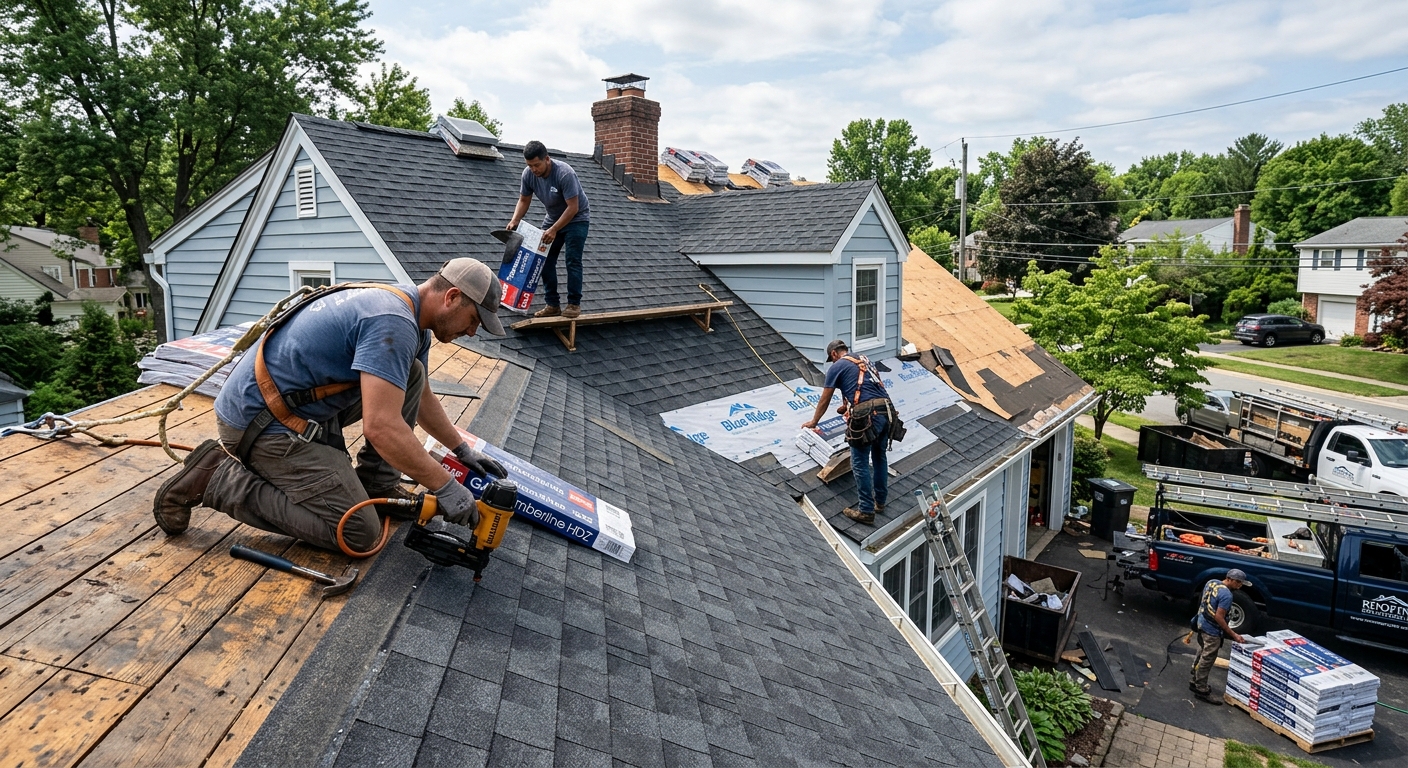
Banff Trail homeowners usually end up comparing three things at once: the age of the roof, the way Calgary weather beats on it, and how much disruption they can tolerate during a short install window. In a community of 3,805 people, a lot of houses are mid-century or older by Calgary standards, which often means more shingles near end of life, more patches from past repairs, and a higher chance of a two-layer tear-off when replacement time comes (Statistics Canada, 2021 Census). Calgary’s hail exposure, freeze-thaw swings, and snow load also push up material standards: ice-and-water membrane, upgraded ventilation, and stronger underlayments are common baseline items here, not upgrades. That climate pressure is one reason pricing in Banff Trail can feel higher than homeowners expect, especially once a roof is steep, has multiple penetrations, or sits in a windier pocket near the U of C and Brentwood edges. Contractors also book heavily after hail seasons, so availability can tighten fast and labour rates often rise during peak summer and early fall. In practical terms, a small repair on a straightforward bungalow is priced very differently from a full tear-off on a steep two-storey with damaged decking. If you live near the Banff Trail CTrain area or along busier corridors where access is tighter, staging and parking can also affect the quote. The table below gives a realistic starting point for comparing options before you ask for site-specific numbers.
| Type |
Typical Use |
Lifespan |
Best For |
Price Range |
| Full asphalt shingle replacement (tear-off + new install) |
Most detached homes, bungalows and older infill roofs needing full renewal |
15–25 years |
Budget-conscious owners wanting a standard, code-compliant replacement |
$8,000 – $22,000 |
| Architectural / laminated shingle (premium asphalt) |
Upgraded replacement where curb appeal and thicker profile matter |
20–30 years |
Homeowners wanting better wind resistance and resale appeal |
$10,500 – $26,000 |
| Impact-resistant shingle (Class 4 — hail & wind zones) |
Hail-prone Calgary roofs needing tougher asphalt performance |
25–35 years |
Owners in storm-exposed areas looking to reduce hail-related claims |
$12,000 – $30,000 |
| Metal roofing (steel panels or standing seam) |
Long-life replacement for homeowners prioritizing durability |
40–50+ years |
High-exposure sites, premium homes, and owners planning long term |
$15,000 – $35,000 |
| Flat / low-slope membrane (TPO or EPDM) |
Flat roofs, additions, garages, porches and low-slope sections |
15–30 years |
Low-slope areas needing reliable drainage and sealed seams |
$8,000 – $20,000 |
| Roof repair + flashing only (no full replacement) |
Localized leaks, chimney work, vent boots, skylights and step flashing |
1–10 years depending on roof condition |
Roofs that are otherwise sound but need targeted leak correction |
$300 – $4,000 |
Prices are estimates only and vary by project scope, site access and material selection.
What affects the price of roofing in Banff Trail
In Calgary and across Alberta, two quotes for what sounds like the same roof can differ by 30% to 50% once the contractor inspects the site properly. That spread usually comes down to pitch, tear-off layers, decking condition, detailing, and how much climate protection is being built into the system. Snow load and freeze-thaw cycles across Ontario and Alberta drive ice-dam protection requirements and heavier underlayment; in Alberta’s hail belt, demand for impact-rated shingles is strong, while coastal BC rain and wind favour metal and premium synthetic underlayment. Colder regions also have shorter install seasons, so labour gets more expensive in peak summer and early fall when everyone is trying to finish before freeze-up. In Banff Trail, an older bungalow with one roof layer, good decking, and basic vents might land near the lower end of the asphalt range, while a steeper home with two layers, chimney flashing issues, and rotten sheathing can move quickly from a mid-range job toward the top of the band. A simple repair may stay near $300 – $1,200, but once you add roof decking replacement, new ventilation, and full ice-and-water coverage, a replacement that started near $8,000 – $12,000 can climb substantially. Roofs near busier streets or tighter access points can also cost more because staging, disposal, and setup take longer. In practical terms, Banff Trail’s housing age and Calgary’s weather mean the cheapest quote is not always the best value; the right scope is what keeps the roof dry for the next 20 years.
| Price Factor |
Why It Matters |
Cost Impact |
| Roof pitch and steepness |
Steeper roofs need more safety gear, slower movement and more labour hours |
Can add 10%–25% to labour |
| Number of shingle layers to tear off |
2 layers = extra labour + disposal |
Often adds $1,000 – $3,500 |
| Total roof area in squares (1 square = 100 sq ft) |
More squares mean more materials, time and waste removal |
Can shift a job by $2,000 – $8,000 |
| Decking condition |
Rotted OSB or plywood must be replaced before new roofing goes on |
Often $70 – $140 per sheet installed |
| Chimney, skylight and vent flashing complexity |
Detailed penetrations take time and require careful sealing |
Can add $250 – $1,500 |
| Ice-and-water shield coverage required (climate-driven) |
More membrane coverage improves leak resistance in freeze-thaw conditions |
Typically adds $300 – $1,200 |
| Regional labour rates and length of the install season |
Shorter seasons and peak demand increase pricing pressure |
Can move a quote by 10%–20% |
| Material quality tier (standard vs. impact-rated vs. premium) |
Heavier shingles, better warranties and better wind/hail performance cost more |
Often adds 20%–40% over basic asphalt |
Permits & regulations in Alberta
In Alberta, most like-for-like re-roofing does not require a building permit, but there are important exceptions. If you are simply replacing asphalt shingles with new shingles on the same roof geometry, that typically does not trigger a permit. By contrast, adding a second layer where code or roof condition does not allow it, making structural deck repairs, changing truss or framing members, or converting a pitched roof to a flat or low-slope assembly often does require permit review. If a contractor tells you “no permit needed” for a project that clearly involves deck rebuilds, slope changes, or structural alterations, ask them to explain why in writing. For Banff Trail homeowners, the safe process is simple: first, ask for the contractor’s business name and Alberta registration details; then search the appropriate online registry or corporate listing to confirm the company is active and matches the quote. Second, ask for a current certificate of liability insurance that shows coverage dates and limits, not just a promise. Third, for worker coverage, request a WCB clearance letter or account confirmation; do not rely on verbal assurances. Finally, verify that the installer is certified with the shingle or membrane manufacturer if you want warranty-backed installation. Those three checks protect you if there is a jobsite injury, a warranty dispute, or an insurance claim after hail. In a neighbourhood like Banff Trail, where older roofs and quick spring weather changes are common, careful paperwork matters as much as the shingles themselves.
Choosing the right roofing material for Banff Trail's climate
Banff Trail sits in a Calgary climate that punishes roofs from several angles at once: freeze-thaw cycles, snow load, hail, and gusty wind. That means the “best” material depends less on trend and more on how long you plan to stay in the home and how much maintenance you can tolerate. Architectural shingles are usually the sensible baseline for many Banff Trail houses because they balance cost, appearance and decent wind resistance; for a typical replacement in the $8,000 – $22,000 range, they are often the best value for a mid-life bungalow or two-storey. If hail has hit your block before, impact-resistant Class 4 shingles can be worth the 20%–30% premium, especially when the extra cost is offset by a better insurance profile or fewer storm-related repairs over time. A homeowner spending an extra $2,000 – $4,000 to upgrade from basic asphalt to Class 4 may find that justified if they expect to keep the house for 10+ years. Metal roofing makes the most sense where long-term durability matters, on exposed homes, or where resale value and low maintenance are top priorities; in Calgary, the higher upfront cost can be worth it if you want a 40-year-plus system and fewer future claims. Flat TPO or EPDM is the right choice only on low-slope sections, additions or garages, because shingles simply do not handle ponding or drainage the same way. Alberta homeowners should also ask about possible insurance incentives or discounts tied to impact-resistant or high-wind-rated materials, since some carriers will recognize the reduced hail risk. In Banff Trail, the smartest choice is usually the one that matches your roof shape, your block’s hail history, and your ownership horizon.
| Material |
Lifespan |
Snow & Ice Performance |
Wind / Hail |
Maintenance |
Price Band |
| Asphalt 3-tab (entry-level) |
12–18 years |
Basic protection; best on simple roofs with excellent ventilation |
Least resistant in hail and high wind |
Higher maintenance; more likely to lose tabs or age unevenly |
$8,000 – $15,000 |
| Asphalt architectural / laminated (standard) |
20–30 years |
Good with proper ice-dam membrane and attic airflow |
Better wind rating; moderate hail resistance |
Moderate maintenance; common choice for Calgary homes |
$10,500 – $26,000 |
| Impact-resistant shingle (Class 4) |
25–35 years |
Strong freeze-thaw durability when installed with proper underlayments |
Best asphalt choice for hail-prone areas |
Lower storm-related repair frequency |
$12,000 – $30,000 |
| Metal — steel panels (exposed fastener) |
30–45 years |
Excellent shedding of snow and ice; needs proper detailing |
Very good wind performance; denting possible in severe hail |
Low to moderate; fasteners should be checked over time |
$15,000 – $28,000 |
| Metal — standing seam (concealed fastener) |
40–50+ years |
Excellent in snow and freeze-thaw conditions |
Outstanding wind resistance; strong long-term system |
Low maintenance; premium detailing required |
$22,000 – $35,000 |
| Flat TPO / EPDM membrane (low-slope only) |
15–30 years |
Very good on low-slope roofs when drainage is correct |
Good if flashing and edge details are installed properly |
Moderate; seams and penetrations need periodic inspection |
$8,000 – $20,000 |
How to choose a roofing contractor in Banff Trail
Start by verifying the contractor’s business registration and making sure the name on the quote matches the name on the insurance certificate. Then ask for a current liability insurance certificate and a WCB clearance letter; do not accept a screenshot with no dates or policy limits. If they install manufacturer-backed systems, ask which certification they hold and whether it is current. Next, request 2 to 3 itemised written quotes so you can compare labour, materials, disposal, ventilation, flashing and ice-and-water shield separately rather than comparing one vague lump sum against another. The scope should clearly state what is excluded: rotten decking, permit costs, extra layers of tear-off, chimney rebuilds, skylight replacements and painting/cleanup are common gaps. Confirm whether permit pulling is included, who handles it, and whether disposal fees are covered. Ask about the workmanship warranty length, the product warranty, and whether either one is transferable if you sell your Banff Trail home. Payment terms should be reasonable: never pay more than 10%–15% upfront, and keep the balance until the job is complete and inspected. Get the start date and completion estimate in writing, especially in Calgary’s short roofing season when weather delays are common. A careful contractor should welcome these questions.
- Confirm the exact legal business name on the quote.
- Check Alberta business registration and any trade association memberships.
- Ask for a current liability insurance certificate with dates and limits.
- Request a WCB clearance letter before work starts.
- Verify manufacturer certification for the roofing system being installed.
- Get 2 to 3 itemised quotes, not one lump-sum number.
- Make sure labour, materials, tear-off and disposal are separated.
- Confirm whether ice-and-water shield, vents and underlayment are included.
- Ask who is responsible for permits, if permits are needed.
- Read the exclusions carefully, especially decking replacement and flashing.
- Get workmanship and product warranties in writing.
- Keep the deposit small and retain a holdback until completion.
Red flags in Banff Trail include: a contractor who refuses to give an itemised quote, asks for a large cash deposit, cannot produce insurance or WCB documents, pressures you to skip a permit when the scope clearly involves structural work, or promises a “same-day” full replacement price without ever inspecting the roof.
Frequently asked questions — roofing in Banff Trail
Asphalt shingles vs metal roofing — which is better for Banff Trail's climate?
For many Banff Trail homes, architectural asphalt shingles are the practical default because they balance cost, appearance and performance in Calgary’s freeze-thaw and hail conditions. If you are replacing a straightforward roof and want to stay near the $8,000 – $22,000 asphalt band, premium laminated shingles usually make more sense than entry-level 3-tab. Metal is better if your priority is long service life, snow shedding and reduced future maintenance; standing seam especially handles wind and snow well, though the upfront cost often lands in the $15,000 – $35,000 range. In Banff Trail, I usually recommend asphalt for owners who plan to move in the next 5–15 years, and metal for long-term owners who want lower lifetime upkeep. Hail risk is the big wildcard in Alberta: a Class 4 shingle can be a smart middle ground before jumping all the way to metal.
How long should a roof last in Banff Trail?
Roof life in Banff Trail depends on material, ventilation, and how hard the roof has been worked by Calgary weather. A basic 3-tab roof may last 12 to 18 years, while a laminated asphalt roof often reaches 20 to 30 years if the attic is vented properly and ice dams are controlled. Metal roofs can last 40 years or more, especially standing seam systems installed well. Local conditions matter: hail, winter wind and freeze-thaw cycles can shorten service life if the roof is underbuilt or poorly flashed. On older homes in Banff Trail, an inspection around the 15-year mark is smart, even if the roof still looks okay from the ground. If you are already seeing curling, missing shingles or chronic leak spots, replacement near the $8,000 – $22,000 range may be more realistic than repeated repairs. Regular attic checks and prompt flashing repairs add years.
Do I need a permit to replace my roof in Alberta?
Usually, a like-for-like shingle replacement in Banff Trail does not need a building permit, especially if you are simply removing old shingles and installing new ones on the same roof shape. But Alberta projects that involve structural deck repairs, truss changes, adding a second layer where it is not allowed, or converting a pitched roof to a flat or low-slope assembly can trigger permit requirements. The key is scope: cosmetic re-roofing is one thing, structural alteration is another. If a contractor tells you every roof job is permit-free, be cautious. For anything beyond straightforward replacement, ask the contractor to confirm whether the City or municipality requires review and whether permit fees are included in the quote. A repair-only job near the $300 – $4,000 range often stays simpler, but full replacements need a clearer paper trail.
What are the signs I need a new roof?
In Banff Trail, the usual warning signs are curling shingles, bald or granule-loss patches, repeated leaks after wind or hail, soft spots in the roof deck, and staining in the attic or around ceilings. You may also notice lifted flashing at chimneys or vents, which is common on older Calgary roofs after freeze-thaw movement. If the roof is near the end of its life, repairs can become a cycle rather than a solution. Another clue is age: if your roof is 20 years old or more and has already had multiple patch jobs, replacement is often more cost-effective than another round of fixes. A homeowner facing recurring issues may spend $300 – $4,000 on repairs and still end up needing a full tear-off. In Banff Trail’s older housing stock, especially on original roofs, a professional inspection is worth it before the next hail season.
Can I roof over my existing shingles?
Sometimes, but I would be cautious in Banff Trail. Roofing over existing shingles can save money upfront, but it adds weight, hides deck problems and can complicate ventilation and flashing. In Calgary’s climate, those hidden issues matter because freeze-thaw and ice dams exploit weak points fast. If the existing roof has only one layer, the decking is sound, and the system is otherwise straightforward, an overlay may be discussed, but it is not my first choice for older homes or roofs with past leak history. Once you need extra flashing, ventilation corrections or deck repairs, a tear-off is usually the better investment. That is why many proper full replacements sit in the $8,000 – $22,000 band rather than a cheaper overlay price. For Banff Trail homeowners, the long-term risk of trapping problems under a new layer often outweighs the short-term savings.
How do ice dams affect roofs in Banff Trail and how do I prevent them?
Ice dams are a real issue in Banff Trail because Calgary winters bring snow, then warm spells, then refreezing. When heat escapes into the attic, it melts snow on the upper roof surface; that water runs to a colder eave and refreezes, creating a dam that backs water under shingles. The result can be ceiling stains, wet insulation and damaged fascia. Prevention starts with proper attic insulation and balanced ventilation, then continues with good underlayment and ice-and-water shield at the eaves and around vulnerable details. On many Alberta homes, that membrane is not optional in practice; it is part of a proper winter roof system. If you are already dealing with recurring leaks, the fix may involve more than a small patch, and costs can move from a modest $300 – $1,200 repair into a larger scope. For Banff Trail homeowners, the best defense is a roof system built for Calgary’s freeze-thaw cycle, not just one that looks good in July.