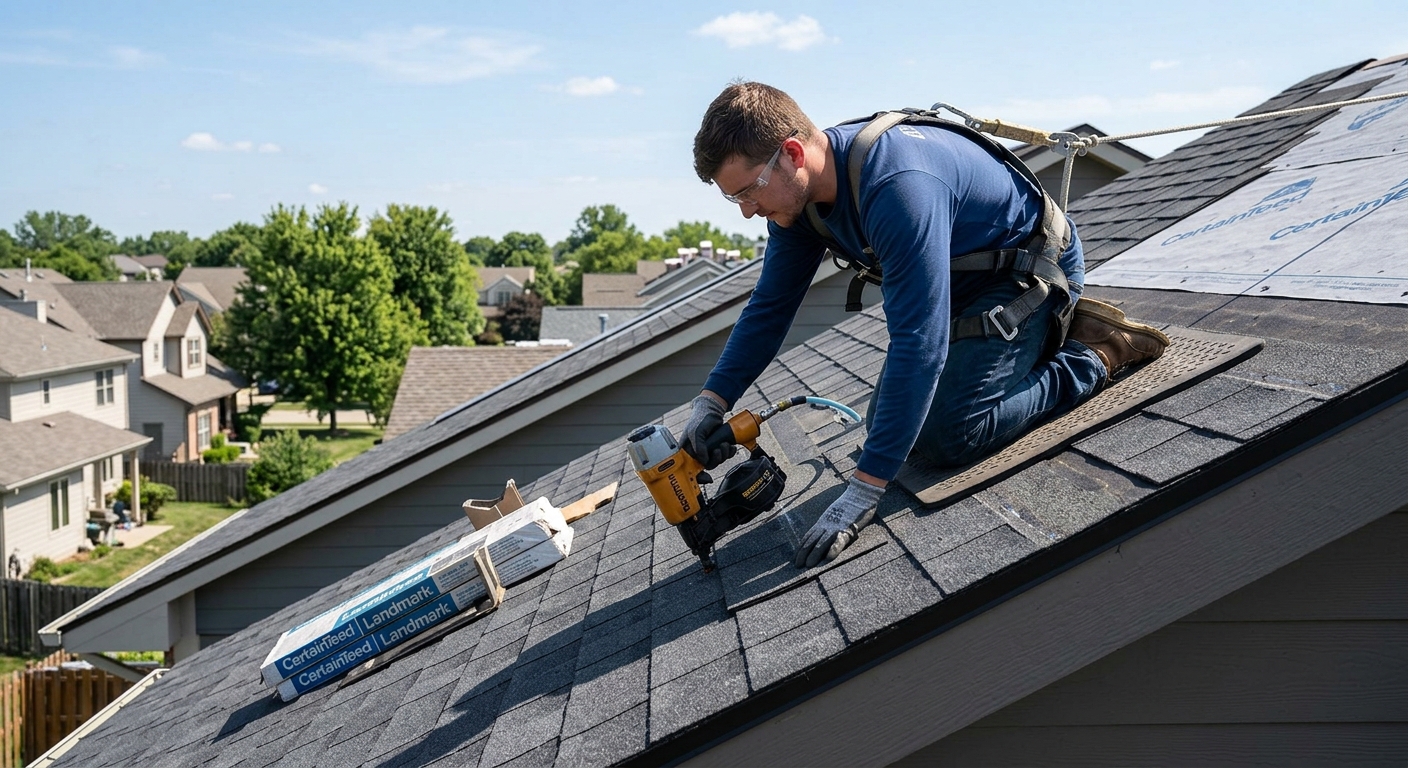
Roofing options and costs in Kensington-Cedar Cottage
Kensington-Cedar Cottage homeowners are often comparing roof quotes on houses that are old enough to need more than a simple shingle swap, especially in a neighbourhood where roughly 49,235 people live in a mix of older single-family homes, duplexes and infill properties (Statistics Canada, 2021 Census). In practical terms, that means a lot of roofs are nearing the point where repair starts to lose value and a full replacement becomes the smarter spend. In this part of Vancouver, the trade is especially active around the Knight Street corridor and near commercial-mixed stretches by Kingsway, where access, parking and staging can affect labour time and disposal costs.
Lower Mainland–Southwest roofing prices are shaped more by persistent rain and wind than by snow load. Coastal crews spend more time on waterproofing details, flashings and underlayment because wet-weather failures show up fast here. Labour is also influenced by a busy urban market: contractors can work year-round, but tight scheduling, lane access and parking constraints can raise the quote compared with smaller suburban jobs. That said, costs are usually more predictable than in colder provinces where short seasons and freeze-thaw cycles force more ice-dam protection, while Alberta’s hail exposure often pushes homeowners toward impact-rated products. For Kensington-Cedar Cottage, the sweet spot is usually balancing water-shedding performance with long-term value, not overbuying features you may never fully use. The table below shows the most common roofing options and the pricing bands homeowners should expect when comparing estimates.
| Type |
Typical Use |
Lifespan |
Best For |
Price Range |
| Full asphalt shingle replacement (tear-off + new install) |
Most detached homes and duplexes needing a complete refresh |
15–25 years |
Budget-conscious owners wanting a reliable standard re-roof |
$8,000 – $18,000 |
| Architectural / laminated shingle (premium asphalt) |
Higher-end asphalt upgrade for curb appeal and better wind resistance |
20–30 years |
Homes where resale value and durability matter |
$9,500 – $21,000 |
| Impact-resistant shingle (Class 4 — hail & wind zones) |
Premium asphalt for tougher weather exposure |
25–30 years |
Owners prioritizing stronger impact performance and warranty options |
$11,000 – $24,000 |
| Metal roofing (steel panels or standing seam) |
Long-life premium system for steep-slope homes |
40–50+ years |
Buyers focused on durability, storm resistance and low maintenance |
$20,000 – $45,000 |
| Flat / low-slope membrane (TPO or EPDM) |
Flat roofs, additions and low-slope sections |
15–30 years |
Laneway houses, additions and multi-family low-slope roofs |
$9,000 – $25,000 |
| Roof repair + flashing only (no full replacement) |
Localized leaks, chimney flashing, vents and small repair scopes |
1–10 years depending on roof condition |
When the roof is otherwise sound and damage is limited |
$500 – $8,000 |
Prices are estimates only and vary by project scope, site access and material selection.
What affects the price of roofing in Kensington-Cedar Cottage
Quotes for the same roof can easily vary by 30% to 50% across Lower Mainland–Southwest BC because every contractor is pricing the same job through a different mix of labour, risk, materials and site conditions. In Ontario and Alberta, snow load and freeze-thaw cycles often drive extra ice-dam protection, heavier underlayment and more ventilation work; in Alberta, hail exposure also pushes demand for impact-rated shingles. Coastal BC is different: heavy rain and wind events make waterproofing details, premium synthetic underlayment and stronger flashings more valuable, especially on homes that face exposed corners or tree debris. Colder regions also have shorter install seasons, which concentrates demand into a narrow summer window and pushes labour rates up. Here in Kensington-Cedar Cottage, a straightforward asphalt job might sit near the lower end of the $8,000 – $18,000 band, while a more complex roof with multiple penetrations can move quickly toward the upper end. A low-slope addition or laneway-house roof can land in the $9,000 – $25,000 range if access is tight or membrane detailing is involved.
Local cost differences show up in practical ways: a steep roof with limited rear-yard access may require more safety setup and longer material handling; a 2-layer tear-off can add disposal and labour; and older homes in the neighbourhood often reveal decking repairs once the old roof comes off. Even a small amount of rotten plywood can add several hundred dollars, while widespread sheathing replacement can push a quote up by a few thousand. Chimneys, skylights and older vents are another common cost driver because each flashing point has to be integrated carefully to keep water out through Vancouver’s long wet season. In short, the roof itself may look ordinary from the street, but access, age and detailing often decide whether your final bill is near the base band or much higher.
| Price Factor |
Why It Matters |
Cost Impact |
| Roof pitch and steepness — affects safety equipment and install speed |
Steeper roofs slow crews down and require more fall protection |
Can add 10%–25% |
| Number of shingle layers to tear off — 2 layers = extra labour + disposal |
More layers mean more waste and more time on site |
Often adds $1,000–$3,500 |
| Total roof area in squares (1 square = 100 sq ft) |
Larger roofs need more materials, labour and disposal capacity |
Major driver of total price; each additional square adds material and labour cost |
| Decking condition — rotted OSB or plywood must be replaced |
Hidden damage is common on older homes after wet seasons |
Usually $75–$150 per sheet installed |
| Chimney, skylight and vent flashing complexity |
Each penetration needs custom waterproofing and careful detailing |
Can add $250–$1,500+ |
| Ice-and-water shield coverage required (climate-driven) |
Coastal rain exposure often justifies more protection at edges and valleys |
Typically adds a few hundred dollars to over $1,000 |
| Regional labour rates and length of the install season |
Urban BC labour is competitive but access and scheduling affect pricing |
Can shift quotes by 15%–20% |
| Material quality tier (standard vs. impact-rated vs. premium) |
Higher-grade products cost more up front but may last longer |
May add 20%–50% depending on the upgrade |
Permits & regulations in British Columbia
In British Columbia, most like-for-like re-roofing jobs do not require a building permit, which is helpful if you are simply replacing worn shingles with a similar system. However, a permit may be required if the work goes beyond a straight replacement: adding a second layer where it is not allowed, repairing or replacing structural roof decking, changing the roof shape, or converting a pitched roof to a flat or low-slope system are all examples that may trigger permit review. If your contractor is replacing rotten sheathing, altering framing, or adding significant new penetrations, ask whether the scope changes the permit requirement before work starts. For Kensington-Cedar Cottage homeowners, the safest approach is to treat any structural or design change as permit-sensitive.
Before signing, verify three things. First, ask for the contractor’s British Columbia business registration and check the company name online through the appropriate provincial registry or municipal business records if needed. Second, request a certificate of liability insurance and confirm the policy is active, the coverage limit is current, and your address or project type is included if the insurer notes exclusions. Third, ask for WCB coverage and a clearance letter; in BC that means checking WorkSafeBC coverage status and making sure there are no unpaid premiums or restrictions. If a contractor uses subcontractors, confirm those companies have their own coverage as well. For warranty-backed installs, also ask for manufacturer certification or proof the crew is approved by the product maker. If a roofer hesitates to provide these documents, keep shopping.
Choosing the right roofing material for Kensington-Cedar Cottage's climate
In Kensington-Cedar Cottage, the right roofing material should be chosen for rain management first, then wind resistance, then long-term value. This part of British Columbia does not face the same snow burden as Ontario or Alberta, so you usually do not need to overbuild for deep snow loads, but you do need a roof that stays watertight through prolonged wet periods and storm gusts. Architectural shingles are often the best value for many homes because they give a stronger appearance and better wind performance than entry-level 3-tab products, while keeping the budget in the range of the common $8,000 – $18,000 asphalt replacement band. Impact-rated shingles are worth considering if your roof is exposed, the home is tall or gable-heavy, or you want the most durable asphalt option; the 20%–30% premium can make sense when it buys better fastening and longer service life, though it is not always necessary on a sheltered street. Metal roofing makes financial sense when you plan to stay long term, want low maintenance and value wind resistance, but the upfront cost is much higher, often starting around $20,000 – $45,000. Flat TPO or EPDM is the right answer only for low-slope sections, additions and laneway houses where water ponding must be managed carefully.
In British Columbia, some insurers may offer preferred terms or discounts for higher wind-rated assemblies, but the savings are usually modest and should not be the only reason to upgrade. If a standard architectural roof costs $14,000 and an impact-rated system comes in at $17,000, the extra $3,000 is easiest to justify when the roof is complicated, exposed or already near replacement age. If your roof is simple and sheltered, that same money may be better spent on new flashings, ventilation and a stronger underlayment package. The most important decision is matching the material to the roof form and the local climate, not chasing the most expensive product on the quote sheet.
| Material |
Lifespan |
Snow & Ice Performance |
Wind / Hail |
Maintenance |
Price Band |
| Asphalt 3-tab (entry-level) |
15–20 years |
Basic performance; adequate for mild coastal conditions if installed well |
Moderate wind resistance; not ideal for exposed roofs |
Higher maintenance; tabs can age faster |
$8,000 – $15,000 |
| Asphalt architectural / laminated (standard) |
20–30 years |
Good in rain-heavy coastal BC when paired with solid flashing details |
Better wind performance than 3-tab |
Moderate maintenance |
$9,500 – $21,000 |
| Impact-resistant shingle (Class 4) |
25–30 years |
Strong water shedding; useful for storm-prone, wet exposure |
Very good wind resistance; better impact performance |
Low to moderate maintenance |
$11,000 – $24,000 |
| Metal — steel panels (exposed fastener) |
30–45 years |
Excellent shedding of rain and snow; good for Vancouver wet weather |
Strong wind performance; less hail-sensitive than basic asphalt |
Moderate maintenance; fasteners should be checked over time |
$20,000 – $35,000 |
| Metal — standing seam (concealed fastener) |
40–50+ years |
Excellent in prolonged rain and freeze-thaw edge conditions |
Excellent wind resistance; premium long-life option |
Low maintenance |
$28,000 – $45,000 |
| Flat TPO / EPDM membrane (low-slope only) |
15–30 years |
Very good when detailed properly for drainage and seams |
Good wind performance if edges are well secured |
Moderate maintenance; seams and penetrations need inspection |
$9,000 – $25,000 |
How to choose a roofing contractor in Kensington-Cedar Cottage
Start by verifying the basics: ask for the contractor’s legal business name, British Columbia registration, liability insurance certificate and WCB clearance. Check the business name against the provincial or municipal registry, then call the insurer if anything looks off on the certificate. For WCB, request a current clearance letter and make sure the company is in good standing with WorkSafeBC. A proper roofer should be willing to show all of this before taking a deposit. Next, collect 2 to 3 written, itemised quotes so you can compare labour, materials, flashing, underlayment, disposal and permit handling line by line. A lump-sum number alone is not enough, because one bid may exclude tear-off disposal while another includes it. Read the warranty carefully: workmanship warranty length, product warranty and whether either one is transferable matter when you sell. In British Columbia, a roof with better materials and clean documentation often helps resale more than a flashy but poorly described upgrade. Finally, never pay too much up front; 10% to 15% is enough in most cases, with a holdback until the job is complete and inspected. Get the start date and completion estimate in writing so weather delays or scheduling gaps do not become excuses later.
- Confirm the exact company name and match it to the quote.
- Ask for a current liability insurance certificate.
- Request a WorkSafeBC clearance letter.
- Get 2 to 3 itemised written quotes.
- Make sure labour, materials and disposal are shown separately.
- Ask whether permit pulling is included.
- Confirm how many shingle layers will be removed.
- Check whether new flashing around chimneys and skylights is included.
- Ask for underlayment type and ice-and-water shield coverage in writing.
- Verify workmanship warranty length and whether it transfers.
- Keep the deposit to 10%–15% maximum.
- Get the start date, completion target and payment schedule in the contract.
Red flags in Kensington-Cedar Cottage include a roofer who wants cash only, refuses to itemise flashing or disposal, pressures you to sign “today,” will not show insurance or WCB paperwork, or gives a price that is dramatically below other bids without explaining what is missing.
Frequently asked questions — roofing in Kensington-Cedar Cottage
What time of year is best to replace a roof in Kensington-Cedar Cottage?
The best time is usually late spring through early fall, when dry stretches make it easier to tear off and install without moisture getting into the deck. In Kensington-Cedar Cottage and across British Columbia, roofing can happen year-round, but steady rain can slow a job or force extra tarp work, which adds cost and risk. If you are replacing an asphalt roof in the $8,000 – $18,000 range, booking before the busiest summer window can sometimes help you avoid peak scheduling pressure. For flat roofs or membrane systems, dry weather matters even more because seam work and flashing need clean conditions. If your roof is already leaking, do not wait for the “perfect” season; a good contractor can often stabilize it quickly and schedule the full replacement when the weather cooperates.
How do I compare roofing quotes fairly?
Compare the scope, not just the bottom-line number. In Kensington-Cedar Cottage, one quote may include a full tear-off, new flashing, premium underlayment and disposal, while another only prices shingles. Ask each contractor to list labour, materials, tear-off layers, flashing, ventilation, permit handling and cleanup separately. If one estimate is $12,500 – $14,500 and another is much lower, check whether the cheaper quote excludes key items like chimney flashing or extra decking repairs. Also confirm the shingle brand, underlayment type and warranty terms. In British Columbia, a quote that includes better waterproofing and honest site preparation is often better value than a bare-bones number that grows later through change orders. Same roof, same home, same neighbourhood should still be compared apples-to-apples.
Should I repair or replace my roof in Kensington-Cedar Cottage?
Repair makes sense when the problem is local and the roof still has useful life left. For example, a flashing fix, vent repair or a small leak patch may fall in the $500 – $8,000 band and buy you time. Replacement is usually the better call when the roof is near the end of its service life, has multiple leaks, or you see curling shingles, repeated blow-offs or widespread soft decking. In Kensington-Cedar Cottage, older homes often reach the point where repeated repairs become poor value, especially after a few wet seasons. If the roof is approaching 20 years and you are calling for repairs every year, a full replacement is often the cheaper long-term choice. A contractor should explain whether the damage is isolated or systemic before recommending work.
What is ice and water shield and do I need it in British Columbia?
Ice and water shield is a self-adhering waterproof membrane installed in vulnerable areas such as eaves, valleys, roof-to-wall transitions and around penetrations. In British Columbia, especially in rain-heavy neighbourhoods like Kensington-Cedar Cottage, it is often a smart upgrade even though we do not deal with the same ice-dam issues seen in colder provinces. The membrane helps protect against wind-driven rain and backup from clogged gutters or valley flow. On a typical asphalt roof, adding proper shield coverage may only increase the bill slightly, but it can save thousands by preventing hidden leaks. It is not a licence to skip good flashing or underlayment; it works as part of a system. For homes with low-slope sections or complicated valleys, it becomes even more important.
How do I spot a low-quality roofing bid in Kensington-Cedar Cottage?
A low-quality bid usually looks vague, too cheap or too rushed. In Kensington-Cedar Cottage, watch for quotes that do not say how many layers will be removed, what flashing is included, or whether disposal and permit handling are covered. If a bid comes in far below the usual $8,000 – $18,000 asphalt replacement range, ask why. A contractor who refuses to name the shingle brand, underlayment type or workmanship warranty is another warning sign. So is anyone who wants a huge deposit, will not show liability insurance or WorkSafeBC clearance, or says “we’ll figure it out once we open the roof.” Cheap bids often leave out decking repairs, vent upgrades and proper waterproofing, which can cost more later when the leak comes back. Good bids are specific, not slippery.
What roofing upgrades add the most resale value in Kensington-Cedar Cottage?
The upgrades that usually help resale most are the ones buyers can see and the ones that reduce future risk. In Kensington-Cedar Cottage, a clean architectural shingle roof with proper flashing, good ventilation and documented warranty coverage often delivers the best return without overspending. If you plan to stay long term, metal can add durability and curb appeal, but the jump to the $20,000 – $45,000 range is not always fully recovered at sale. Impact-rated shingles can also appeal to buyers who want a tougher roof, especially on exposed homes, though the premium is usually better justified by performance than by resale alone. In British Columbia, a roof upgrade with neat eaves, solid water protection and transferable warranties often sells better than a flashy system with poor documentation.