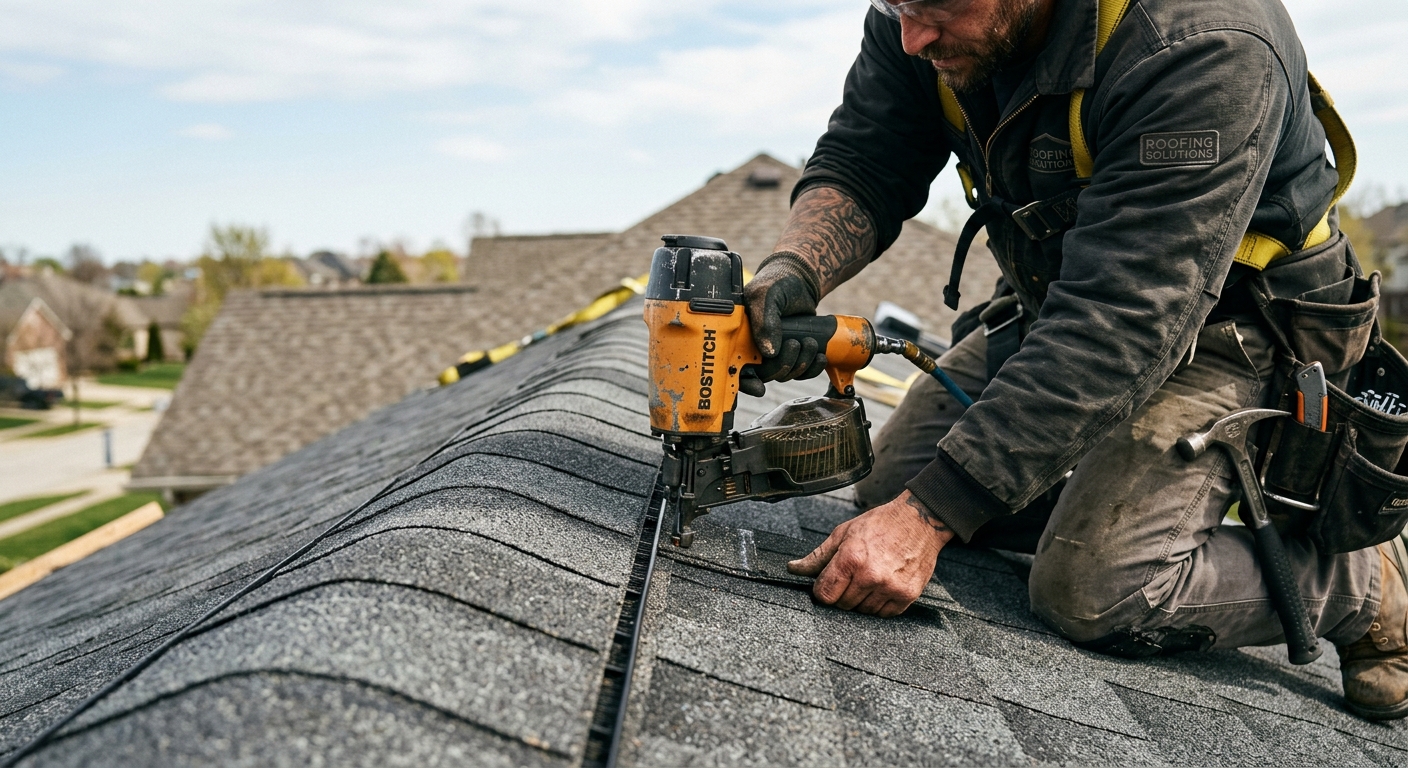
Roofing options and costs in Chilliwack Mountain
Chilliwack Mountain homeowners often compare roofing quotes after a stormy winter or when an older roof starts leaking around chimneys, skylights, or valley lines. In a small community of 2,510 people, that kind of word-of-mouth matters, and so does the age of the housing stock: in the broader Chilliwack area, many homes date back several decades, which often means more tear-offs, more re-flashing, and a higher chance of discovering deck repairs once the shingles come off (Statistics Canada, 2021 Census). In practice, that can move a straightforward replacement closer to the upper end of the local asphalt band. Because Lower Mainland–Southwest BC gets persistent rain, strong wind events, and only modest snow load, contractors here put extra emphasis on waterproof underlay, high-quality flashings, and fast, weather-tight installation rather than the heavy ice-dam packages common in colder provinces. The result is a market where materials that shed water well and handle gusts reliably, such as premium shingles and metal, tend to price differently than basic products. In areas like Promontory-adjacent streets and the steeper residential slopes of Chilliwack Mountain, roof access and pitch can also add labour time. Below is a practical comparison of the most common options homeowners ask about.
| Type |
Typical Use |
Lifespan |
Best For |
Price Range |
| Full asphalt shingle replacement (tear-off + new install) |
Most single-family homes needing a complete renewal |
15–25 years |
Budget-conscious owners who want a standard, proven system |
$8,000 – $18,000 |
| Architectural / laminated shingle (premium asphalt) |
Higher-end reroofs where appearance and durability matter |
20–30 years |
Homeowners wanting better wind performance and curb appeal |
$10,500 – $20,500 |
| Impact-resistant shingle (Class 4 — hail & wind zones) |
Premium asphalt with stronger strike resistance |
25–35 years |
Owners prioritizing resilience and possible insurance benefits |
$12,500 – $24,000 |
| Metal roofing (steel panels or standing seam) |
Long-life residential roofs in exposed, wet, or wind-prone sites |
40–60 years |
Homeowners planning to stay long term and reduce maintenance |
$20,000 – $45,000 |
| Flat / low-slope membrane (TPO or EPDM) |
Low-slope additions, porches, garages, and multi-family roofs |
15–30 years |
Flat roofs needing reliable waterproofing and clean detailing |
$9,000 – $25,000 |
| Roof repair + flashing only (no full replacement) |
Targeted leak fixes, vent boots, chimney, skylight, or valley repairs |
Varies by remaining roof life |
Roofs with localized damage but otherwise sound shingles |
$500 – $8,000 |
Prices are estimates only and vary by project scope, site access and material selection.
What affects the price of roofing in Chilliwack Mountain
Two roofing quotes for the same house in Lower Mainland–Southwest BC can easily differ by 30%–50% because contractors are pricing the whole job, not just the shingles. Steep access, extra layers to remove, damaged plywood, upgraded flashings, disposal fees, and weather windows all change the final number. In Ontario and Alberta, snow load and freeze-thaw cycles drive heavier underlayment packages and more ice-dam protection, while Alberta’s hail belt pushes demand for impact-rated shingles. Coastal BC, by contrast, puts the emphasis on rain management, wind resistance, and premium synthetic underlayment, with metal roofing often priced higher because it performs well in persistent moisture and storm gusts. Colder regions also have shorter install seasons, which compresses demand into summer and can push labour rates up. In Chilliwack Mountain, a simple re-roof may stay near the lower end of the local asphalt band, but a steeper roof with two tear-off layers, new flashing around a chimney, and partial sheathing replacement can move a project from roughly $8,000 – $18,000 into a higher bracket quickly. A smaller repair job may still land in the $500 – $8,000 range if it involves multiple leak points or hard-to-access valleys. Local hillside homes also tend to have more wind exposure, which can justify better sealants, starter courses, and edge metal. The practical takeaway: the same roof size does not mean the same price, especially when climate, slope, and hidden deck damage are in play.
| Price Factor |
Why It Matters |
Cost Impact |
| Roof pitch and steepness |
Affects safety equipment and install speed |
Steeper roofs usually add labour time and fall-protection costs |
| Number of shingle layers to tear off |
2 layers = extra labour + disposal |
Can add several hundred to several thousand dollars depending on size |
| Total roof area in squares (1 square = 100 sq ft) |
Directly determines material and labour volume |
Larger roofs can move a project from the lower to upper end of the band |
| Decking condition |
Rotted OSB or plywood must be replaced |
Common hidden add-on that can increase cost materially |
| Chimney, skylight and vent flashing complexity |
Custom detailing takes more time and material |
More penetrations usually mean higher labour and metal-flashing costs |
| Ice-and-water shield coverage required (climate-driven) |
Extra waterproofing helps in wet, exposed locations |
Raises material cost, especially on valleys, eaves, and vulnerable edges |
| Regional labour rates and length of the install season |
Strong construction demand affects crew pricing and scheduling |
Peak-season jobs can cost more and book further ahead |
| Material quality tier (standard vs. impact-rated vs. premium) |
Better products last longer and perform better in wind and rain |
Premium upgrades can add 20%–50% over basic asphalt |
Permits & regulations in British Columbia
In British Columbia, most like-for-like re-roofing jobs do not require a building permit, so replacing worn shingles with a similar asphalt system on an existing roof usually proceeds without one. By contrast, a permit is more likely to be needed if you are adding structural deck repairs, changing the roof assembly in a way that affects the building structure, converting a pitched roof to a flat roof, or making a significant alteration that changes drainage or load paths. If your project includes a second layer of roofing beyond what the code allows, the contractor should stop and confirm whether a permit or removal is required before proceeding. For homeowners in Chilliwack Mountain, the safest approach is to ask the contractor to explain permit responsibility in writing.
Before signing, verify three things: British Columbia business registration or contractor identification, liability insurance, and WCB coverage. First, check the contractor’s legal status online through the relevant provincial or corporate registry and confirm the business name matches the quote and contract. Second, ask for a current certificate of insurance showing the policy number, insurer, coverage limits, and dates in force. Third, request a WCB clearance letter or account confirmation for the exact business name on the invoice. If the contractor says they use certified installers for warranty coverage, ask for proof of manufacturer certification as well. Do not rely on a verbal assurance. In Chilliwack Mountain, where storm leaks and access issues can become expensive quickly, those documents are basic protection, not paperwork to skip.
Choosing the right roofing material for Chilliwack Mountain's climate
Chilliwack Mountain’s roofing choice should start with moisture management, then wind, then long-term value. This part of the Lower Mainland–Southwest sees more prolonged rain than snow, so your roof needs dependable underlayment, strong edge detailing, and flashing that stays watertight through repeated wet cycles. Standard architectural shingles are usually enough for many homes when the roof pitch is decent, the attic is properly ventilated, and the house is not especially exposed. They offer a good balance of cost and appearance, and for many owners they make the most sense inside the local asphalt band of $8,000 – $18,000. Impact-resistant shingles become more attractive when a roof is exposed to gusts, branch fall, or repeated storm wear; the 20%–30% premium is easiest to justify if you plan to stay long term or want a possible insurance benefit. For example, paying an extra $2,500 on a $12,000 reroof can be reasonable if it buys better wind performance and fewer service calls. Metal roofing makes financial sense on homes that see recurring leaks, have steeper slopes, or are owned by people who want lower maintenance and a 40-year-plus service life, even though the upfront cost is higher. Flat membrane systems are the right answer for low-slope areas only, especially where ponding water is a concern. In British Columbia, some insurers may offer better pricing for high-wind or more durable systems, but the discount is not guaranteed, so ask before you buy. The decision usually comes down to whether you want the lowest initial spend, the best all-around balance, or the strongest long-term performance.
| Material |
Lifespan |
Snow & Ice Performance |
Wind / Hail |
Maintenance |
Price Band |
| Asphalt 3-tab (entry-level) |
12–18 years |
Fair on simple, well-vented roofs |
Moderate wind resistance; weaker in storms |
Higher; faster ageing and more curling |
$8,000 – $12,000 |
| Asphalt architectural / laminated (standard) |
20–30 years |
Good for Lower Mainland rain and moderate winter conditions |
Better wind performance than 3-tab |
Moderate; periodic inspections recommended |
$10,500 – $18,000 |
| Impact-resistant shingle (Class 4) |
25–35 years |
Good water shedding and durable edge seal |
Strong wind and better impact resistance |
Moderate to low; fewer storm-related repairs |
$12,500 – $24,000 |
| Metal — steel panels (exposed fastener) |
30–50 years |
Excellent rain shedding; good in coastal weather |
Very good wind performance; hail varies by gauge |
Low to moderate; fasteners need periodic checks |
$20,000 – $32,000 |
| Metal — standing seam (concealed fastener) |
40–60 years |
Excellent in wet, windy conditions |
Excellent wind performance; strong premium option |
Low; premium detailing and durability |
$28,000 – $45,000 |
| Flat TPO / EPDM membrane (low-slope only) |
15–30 years |
Excellent for low-slope drainage design |
Good when properly detailed; seams matter |
Moderate; regular drain and seam checks needed |
$9,000 – $25,000 |
How to choose a roofing contractor in Chilliwack Mountain
Start with proof, not promises. A good roofing contractor in Chilliwack Mountain should be able to show British Columbia business details, current liability insurance, and WCB coverage before any deposit changes hands. Ask for the certificate of insurance and check that the policy dates cover your job window. Then request a WCB clearance letter or account confirmation under the exact company name on the quote. If the contractor uses a crew of subcontractors, confirm they are included under the same insurance and safety coverage. Next, get two or three itemised written quotes that separate labour, tear-off, disposal, materials, flashing, ventilation, and any decking allowance. A lump sum without detail is hard to compare fairly.
Read the scope line by line. Does it include permit handling if required? Is disposal included? Are new vents, pipe boots, step flashing, drip edge, and valley metal included or listed as extras? Ask for the workmanship warranty length in writing, plus the product warranty from the manufacturer and whether it is transferable if you sell. For payment, keep the deposit modest — generally no more than 10%–15% upfront — and hold back the balance until the job is complete and you have inspected the site. The start date and estimated completion date should also be written into the contract. In a rain-prone market, schedule clarity matters because weather delays happen.
- Confirm the contractor’s British Columbia business identity matches the quote.
- Ask for current liability insurance and read the policy dates.
- Request WCB coverage or a clearance letter before signing.
- Get at least 2–3 itemised written quotes.
- Compare labour, materials, disposal, and flashing line by line.
- Ask who pulls permits if a permit is needed.
- Confirm whether tear-off of existing shingles is included.
- Check that underlayment and ice-and-water shield are specified.
- Ask how many layers will be removed and how disposal is handled.
- Get workmanship warranty length in writing.
- Confirm product warranty details and transferability.
- Write down start date, completion estimate, and payment schedule.
Red flags in Chilliwack Mountain include a contractor who will not provide insurance papers, a quote that is suspiciously far below the local $8,000 – $18,000 asphalt range, a demand for a large cash deposit, vague language like “extras as needed,” and anyone who refuses to specify flashing, venting, or disposal. If they push you to sign immediately after a storm, be cautious.
Frequently asked questions — roofing in Chilliwack Mountain
Can I roof over my existing shingles?
Sometimes, but in Chilliwack Mountain it is often not the best long-term choice. A second layer can save on tear-off and disposal, but it also hides deck problems and adds weight, which is why many contractors prefer a full removal when the existing roof is worn, curled, or already has more than one layer. In British Columbia, like-for-like reroofs are usually straightforward, but once you start adding layers beyond what the code allows or uncover structural issues, the job becomes more complicated and may require more oversight. If your quote for a tear-off and replacement sits around $8,000 – $18,000, ask whether the contractor has allowed for disposal and flashing upgrades, because roofing over old shingles can look cheaper upfront while costing more later if leaks persist.
How do ice dams affect roofs in Chilliwack Mountain and how do I prevent them?
Ice dams are less common in Chilliwack Mountain than in colder parts of Canada, but they can still form during cold snaps, especially on poorly ventilated roofs or spots where warm indoor air melts snow unevenly. When meltwater refreezes at the eaves, it can back up under shingles and soak the deck or soffits. Prevention starts with good attic insulation, balanced ventilation, and proper ice-and-water shield at vulnerable edges and valleys. In the Lower Mainland–Southwest climate, the bigger day-to-day risk is usually long periods of rain rather than repeated deep freezes, so waterproof detailing matters as much as thermal control. If a repair job is already in the $500 – $8,000 range, a contractor should identify whether the issue is simple flashing failure or a ventilation problem that needs a broader fix.
What roofing warranty should I expect?
For a roofing project in Chilliwack Mountain, expect two warranties: the contractor’s workmanship warranty and the manufacturer’s product warranty. Workmanship coverage commonly ranges from 5 to 10 years, though some established companies offer more. Product warranties vary by material: standard asphalt may come with long limited warranties, while metal and premium systems often carry stronger coverage if they are installed to spec. The key question is whether the warranty is transferable if you sell the home. Ask for it in writing and make sure the contract states which components are covered, because some exclusions apply to poor attic ventilation, ponding water, or failed maintenance. A higher-end job in the $20,000 – $45,000 metal range should absolutely include clear written warranty terms, not just a brochure.
Is metal roofing worth the extra cost in Chilliwack Mountain?
It can be, especially for homes that are exposed to wind, see repeated leak issues, or are owned by people who want a low-maintenance roof for the long haul. In Chilliwack Mountain, metal performs well in heavy rain and gusty weather, and it often outlasts asphalt by decades. The downside is price: a metal roof often starts around $20,000 – $45,000, which is a meaningful jump from a standard asphalt replacement. If you plan to stay in the home 15 to 25 years, the lower maintenance burden and longer lifespan can justify the premium. If you are selling soon, or your roof shape is simple and sheltered, premium architectural shingles may be the better value.
What time of year is best to replace a roof in Chilliwack Mountain?
In Chilliwack Mountain, late spring through early fall is usually the easiest time to schedule a reroof because crews can work more efficiently and the weather is less likely to interrupt the tear-off and dry-in stages. That said, the Lower Mainland–Southwest market is more installable year-round than colder provinces, so winter work is still possible if the weather cooperates. The main challenge is scheduling around rain, not snow load. If you want the best balance of price and availability, book well ahead of the busy season so you are not stuck waiting until summer. For a standard asphalt project in the $8,000 – $18,000 range, early booking can also help you secure a crew before the schedule fills up.
How do I compare roofing quotes fairly?
Compare roofing quotes in Chilliwack Mountain by scope, not just the bottom line. Each quote should state the material type, tear-off details, number of layers being removed, flashing replacement, underlayment, ventilation changes, disposal, permit handling if needed, and any allowance for rotten decking. If one quote is much lower than the others, check whether it is missing items rather than being a true bargain. You should also compare warranty length, start date, and payment terms. A fair comparison often means lining up apples to apples within the local bands: for example, one contractor’s $10,500 – $18,000 architectural shingle quote may be better value than a cheaper quote that excludes valley metal, drip edge, and vent boots. Ask questions until you can explain exactly why one price is higher.