Roofing options and costs in South Lynnmour
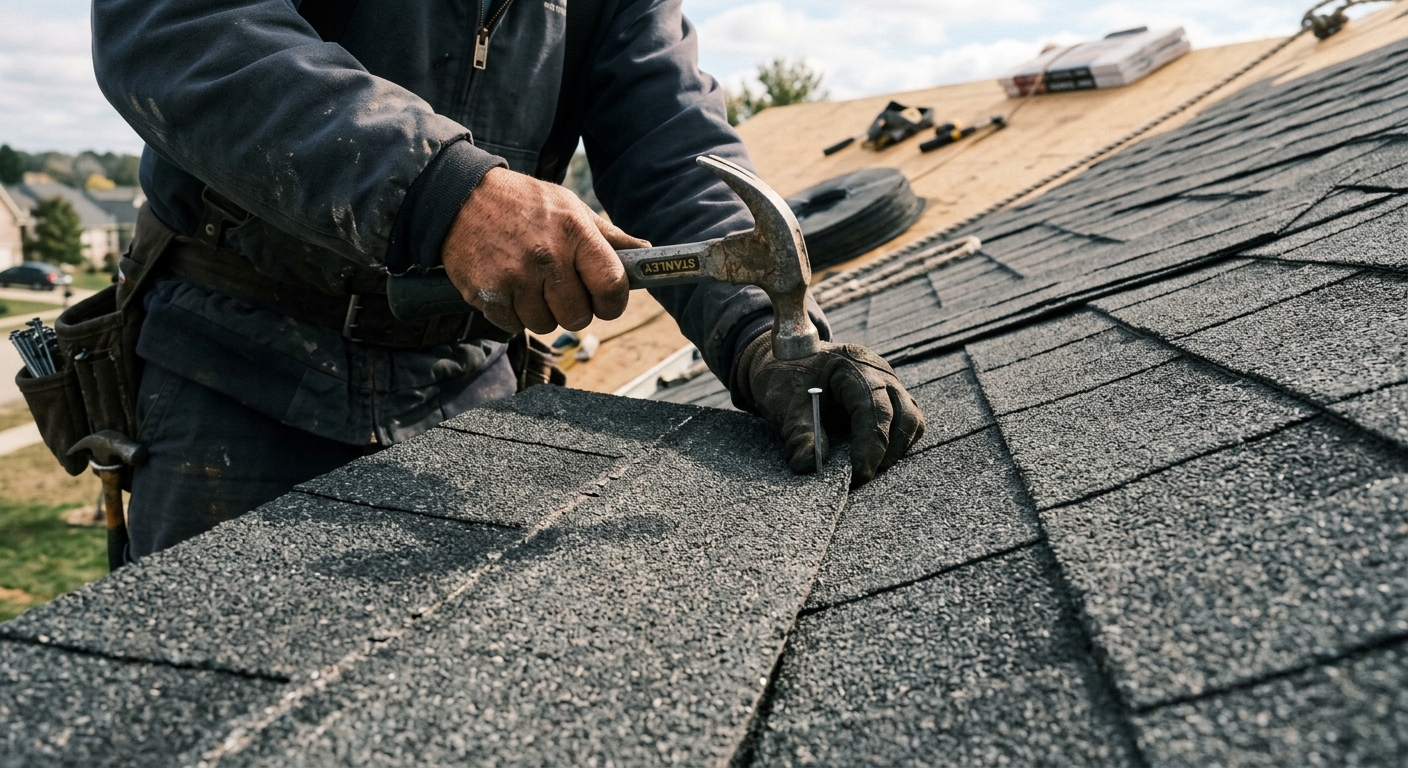
South Lynnmour homeowners usually feel roof costs through the combination of coastal weather, access, and the age of the home rather than through extreme snow loads. With a population of 1,367 in the 2021 Census, this is a small community where word-of-mouth matters, and many properties are close to the North Shore commuter corridors, which can affect mobilization, parking, and disposal logistics. In neighbourhoods with older housing stock, roofs are more likely to be near the end of their service life, and that often means more tear-off labour, more flashing repairs, and a higher chance of discovering soft decking once the old covering comes off. In the Lower Mainland–Southwest, the steady rain and wind exposure push contractors toward better underlayments, careful detailing at valleys and penetrations, and products that shed water reliably rather than simply looking good on day one. Coastal labour also stays busy year-round, so good crews are available, but access constraints and schedule pressure can still move pricing. Around the Seymour area and nearby residential pockets, roofers are often asked for quick leak repairs after stormy periods, especially where skylights, chimneys, and low-slope transitions are involved. That is why a “simple” roof can still price differently from one home to the next. The comparison below shows how material choice, roof shape, and the scope of work affect the final figure.
| Type |
Typical Use |
Lifespan |
Best For |
Price Range |
| Full asphalt shingle replacement (tear-off + new install) |
Standard detached homes, townhomes and older roofs nearing end of life |
15–25 years |
Budget-conscious owners needing a reliable, full-system refresh |
$8,000–$18,000 |
| Architectural / laminated shingle (premium asphalt) |
Upgraded residential roofs with better curb appeal and wind performance |
20–30 years |
Homeowners wanting a stronger look and better durability without going metal |
$10,000–$20,000 |
| Impact-resistant shingle (Class 4 — hail & wind zones) |
Premium asphalt where storm resistance and insurance value matter |
25–35 years |
Owners prioritizing impact resistance, especially on exposed lots |
$12,000–$24,000 |
| Metal roofing (steel panels or standing seam) |
High-durability homes, coastal-exposed roofs, modern builds |
40–50+ years |
Long-term owners seeking wind resistance and low maintenance |
$20,000–$45,000 |
| Flat / low-slope membrane (TPO or EPDM) |
Flat roofs, additions, garages, multi-family and low-slope areas |
15–25 years |
Roof sections that need continuous waterproofing and clean drainage |
$9,000–$25,000 |
| Roof repair + flashing only (no full replacement) |
Leak fixes, chimney flashing, skylight reseal, valley or vent repairs |
Varies by repair scope |
Targeted fixes when most of the roof still has useful life left |
$500–$8,000 |
Prices are estimates only and vary by project scope, site access and material selection.
What affects the price of roofing in South Lynnmour
For the same roof size, quotes in the Lower Mainland–Southwest can differ by 30% to 50% because contractors are pricing more than shingles and nails. They are pricing access, moisture management, crew time, tear-off difficulty, and the risk that hidden damage will appear once the roof is opened up. In South Lynnmour, a straightforward asphalt re-roof may land near the lower end of the regional range, while homes with steep pitches, multiple dormers, or tight access can move a job from roughly $8,000–$18,000 into the upper end very quickly. The coastal climate is a big reason: heavy rain and frequent wind events mean contractors often specify premium synthetic underlayment, stronger flashing, and more careful sealing around penetrations. By contrast, colder regions in Ontario and Alberta build in more ice-dam protection, heavier underlayment packages, and ventilation upgrades to handle snow load and freeze-thaw cycles, and shorter install seasons there can push labour rates higher during peak summer windows. Alberta’s hail belt also pushes demand for impact-rated shingles, which raises material costs. In South Lynnmour, two practical examples often add cost: a roof with a lot of skylights or chimneys can add several hundred to a few thousand dollars in flashing labour, and older homes that need partial decking replacement can add another $1,000–$4,000 depending on how much rotten plywood is found. A low-slope section may price closer to $9,000–$25,000 if membrane layers, edge metal, or drainage corrections are needed. Material tier matters too: standard asphalt is cheaper upfront, but premium underlayment or metal can reduce future leak repairs and storm-related callouts.
| Price Factor |
Why It Matters |
Cost Impact |
| Roof pitch and steepness |
Steeper roofs need more safety setup, slower production and sometimes extra harness work |
Can add 10%–25% |
| Number of shingle layers to tear off |
2 layers = extra labour + disposal, and older homes may hide damaged felt or decking |
Can add $1,000–$3,500 |
| Total roof area in squares (1 square = 100 sq ft) |
Larger roofs use more materials and labour, but unit pricing may improve slightly |
Directly scales the whole quote |
| Decking condition |
Rotted OSB or plywood must be replaced before new roofing can be installed safely |
Can add $500–$4,000+ |
| Chimney, skylight and vent flashing complexity |
Each penetration requires careful custom flashing to avoid leaks in persistent rain |
Can add $300–$2,500 |
| Ice-and-water shield coverage required (climate-driven) |
More coverage is often specified on vulnerable edges, valleys and eaves for rain protection |
Can add 3%–8% |
| Regional labour rates and length of the install season |
Busy coastal markets price for access, demand and scheduling pressure; colder regions face seasonal surges |
Can shift a bid by 15%–30% |
| Material quality tier (standard vs. impact-rated vs. premium) |
Better products cost more, but may last longer and improve resale appeal |
Can add $2,000–$10,000 |
Permits & regulations in British Columbia
In British Columbia, most like-for-like re-roofing does not require a building permit when you are simply replacing the existing covering with a similar system and not changing the structure. That said, a permit is commonly required if the work includes structural deck repairs beyond minor patching, altering roof framing, converting a pitched roof to a flat roof, changing drainage in a way that affects the building envelope, or adding a second layer where local code or product rules do not allow it. If a contractor tells you “no permit is ever needed,” treat that as a warning sign. For South Lynnmour homeowners, the safest approach is to confirm the exact scope before the first shingle comes off.
To verify a contractor, first check their British Columbia business and trade standing through the provincial online business or licensing records where applicable, then ask for a current certificate of insurance showing liability coverage in force on your project dates. Next, request WCB coverage and a clearance letter; for most roofing firms this is the practical proof that workers are covered if someone is injured on site. You should also ask whether the crew uses manufacturer-certified installers for the specific roofing system, because that can affect warranty eligibility. Finally, compare the legal business name on the quote, the insurance certificate, and the invoice header. If those names do not match, ask why before signing. A legitimate roofer in British Columbia should be willing to send these documents promptly and explain exactly which parts of the work do and do not require a permit.
Choosing the right roofing material for South Lynnmour's climate
South Lynnmour sits in a coastal British Columbia climate where the main roof stressors are persistent rain, wind-driven rain, and storm gusts rather than deep snow loads. Freeze-thaw can still matter on colder nights and shoulder seasons, but it is generally less punishing than in inland Ontario or Alberta. That means your material choice should focus first on water shedding, sealed detailing, and long-term wind performance. Standard architectural shingles are usually enough for many homes when the roof is simple, the pitch is decent, and the owner wants a sensible balance of cost and durability. They usually make sense if you are replacing an aging roof and want to stay within the common asphalt range of $8,000–$18,000. Impact-resistant shingles are worth considering when the home is especially exposed, when branches or storm debris are a concern, or when you want a better chance of insurance recognition. The premium is often 20%–30%, but on a project that would otherwise be $12,000–$24,000, the extra spend can be justified if it reduces future repair claims or extends service life. Metal roofing is the long-game option: higher upfront cost, lower maintenance, strong wind resistance, and excellent resale appeal for owners who expect to stay put. Flat or low-slope membrane systems make the most sense on additions, garages, and modern homes with minimal pitch, because they create a continuous waterproof layer where shingles would struggle. In British Columbia, some insurers may offer favourable terms for high-wind or impact-rated products, though rebates are not as broad or predictable as an owner might hope. If a metal roof costs $20,000–$45,000 but avoids one major re-roof over the home’s remaining ownership period, the math can work. If you plan to sell soon, architectural shingles may deliver the better return.
| Material |
Lifespan |
Snow & Ice Performance |
Wind / Hail |
Maintenance |
Price Band |
| Asphalt 3-tab (entry-level) |
12–18 years |
Basic performance; not ideal for prolonged wet exposure or cold-edge detailing |
Moderate wind resistance; weakest in stormy exposure |
Higher maintenance, sooner curling and granule loss |
$8,000–$14,000 |
| Asphalt architectural / laminated (standard) |
20–30 years |
Good general performance with proper underlayment and flashing |
Better wind resistance than 3-tab; fair hail tolerance |
Moderate maintenance |
$9,500–$18,000 |
| Impact-resistant shingle (Class 4) |
25–35 years |
Strong where wet weather and debris are concerns; still needs good detailing |
Very good impact and wind performance |
Lower storm-related repair risk |
$12,000–$24,000 |
| Metal — steel panels (exposed fastener) |
30–45 years |
Excellent water shedding; details must be correct at penetrations |
Very good wind resistance; moderate hail performance |
Low to moderate maintenance |
$20,000–$35,000 |
| Metal — standing seam (concealed fastener) |
40–50+ years |
Excellent for wet coastal climates with strong drainage needs |
Excellent wind performance; strong resale appeal |
Low maintenance |
$28,000–$45,000 |
| Flat TPO / EPDM membrane (low-slope only) |
15–25 years |
Very good on low-slope areas when drainage is designed correctly |
Good wind performance if edges and seams are properly secured |
Inspect seams, drains and penetrations regularly |
$9,000–$25,000 |
How to choose a roofing contractor in South Lynnmour
Start by checking that the contractor is operating legally in British Columbia and ask for proof of liability insurance and WCB coverage before you book the job. The insurance certificate should list coverage dates that include your planned install window, and the WCB clearance letter should show the company is in good standing. For manufacturer-backed systems, confirm that the installer is certified for the product they are quoting, because warranty coverage can depend on that. Next, get at least 2 to 3 written quotes, and make sure each one itemizes labour, materials, disposal, flashing, vent work, and any deck repairs. A lump-sum number makes it hard to compare bids fairly. Read the scope carefully: ask whether the contractor is pulling permits if required, whether hauling and disposal are included, what is excluded, and how extra plywood is priced if rot is found. Warranty matters too: ask for the workmanship warranty length, the product warranty terms, and whether the warranty is transferable to a future buyer. Keep the deposit modest; never pay more than 10% to 15% upfront, and hold a balance until completion and cleanup are done. Get the start date and expected completion date in writing so weather delays or scheduling slips are easy to track.
- Confirm the legal business name matches the quote, insurance and invoice.
- Ask for current liability insurance and read the expiry date.
- Request WCB coverage and a clearance letter before work starts.
- Verify product certification for asphalt, metal or membrane systems.
- Get a written labour and materials breakdown, not only a total price.
- Check whether disposal, dumpster fees and magnet sweep cleanup are included.
- Ask what happens if rotten decking is found after tear-off.
- Make sure flashing at chimneys, skylights and walls is itemized.
- Confirm permit responsibility in writing if the scope may trigger one.
- Read the workmanship warranty period and transferability.
- Keep the deposit between 10% and 15%, with holdback until completion.
- Get a realistic schedule that includes weather allowances.
Watch for red flags such as cash-only demands, no local address or truck identification, vague “all-in” pricing, refusal to provide insurance or WCB documents, and bids that ignore flashing, ventilation or disposal on South Lynnmour roofs.
Frequently asked questions — roofing in South Lynnmour
What is ice and water shield and do I need it in British Columbia?
Ice and water shield is a self-adhered waterproof membrane installed in vulnerable areas such as eaves, valleys, roof-wall junctions and around penetrations. In South Lynnmour and across British Columbia, it is less about heavy ice dams and more about preventing wind-driven rain from getting under the shingles during long wet periods. Most coastal roofs benefit from it, especially on low-pitch sections, complex roofs or homes with skylights and chimneys. On a typical replacement, the added cost is often modest compared with the overall job, and it can be a smart upgrade even on a standard $8,000–$18,000 asphalt replacement. I would not treat it as an optional luxury on a North Shore roof; I would treat it as part of good waterproofing practice.
How do I spot a low-quality roofing bid in South Lynnmour?
A weak bid is usually easy to spot once you know what to look for. If the quote is only one number with no breakdown, it is hard to tell whether labour, materials, flashing and disposal are actually included. In South Lynnmour, I would also be suspicious of a very low quote that ignores the coastal weather needs: no premium underlayment, no detail on flashings, and no mention of valleys, vents or ice-and-water shield. Another warning sign is a price that is far below the local market for the same scope, such as someone offering a full roof for well under the normal $8,000–$18,000 asphalt range without explaining exclusions. Ask for the scope in writing and compare apples to apples.
What roofing upgrades add the most resale value in South Lynnmour?
In South Lynnmour, the upgrades that usually help resale most are the ones buyers can see and the ones that lower future maintenance risk. A clean architectural shingle roof, properly flashed and vented, is often enough to reassure a buyer without overcapitalizing. If the home is exposed to wind or has had repeat leak issues, a metal roof can add strong value because it signals long service life and lower upkeep, though the cost can move into the $20,000–$45,000 range. Impact-resistant shingles can also be attractive if the owner wants better storm resilience and possibly more favourable insurance treatment. The best resale value comes when the roof looks new, drains properly, and documentation is kept for warranties and installation details.
Can a roofing contractor work year-round in South Lynnmour?
Yes, roofing work can usually continue year-round in South Lynnmour because coastal British Columbia does not have the deep winter shutdowns seen in colder provinces. That said, the schedule still depends on rain, wind and safe drying conditions. Many contractors can install shingles, metal and low-slope systems through much of the year if they choose their weather windows carefully, which helps keep pricing more predictable than in regions with short install seasons. Winter work may slow down, but it rarely stops entirely unless the weather is too wet or too windy for safe installation. If you are planning a project near the $9,000–$25,000 flat roof range or a larger metal job, ask how the crew handles tarp protection, moisture checks and weather delays before signing.
What is a roofing square and how does it affect my quote?
A roofing square is a measurement of 100 square feet of roof area. Contractors use it to estimate materials, labour and waste, so it is one of the main building blocks of your quote. In South Lynnmour, a small roof may look simple from the street, but steep sections, dormers and overhangs can increase the actual number of squares and raise the total. If your roof is 20 squares, that means about 2,000 square feet of coverage before waste and detailing. The roofing square affects every part of the job, from shingles to underlayment to flashing. It is why a quote can move from a modest repair into the normal replacement range of $8,000–$18,000 once the real roof size is calculated correctly.
How do I maintain my roof between replacements in South Lynnmour?
Good maintenance in South Lynnmour is mostly about keeping water moving off the roof and catching small issues before they become leaks. Clean gutters and downspouts regularly, especially after autumn leaf drop and windstorms. Check for lifted shingles, clogged valleys, cracked sealant around vents and early signs of moss. On coastal British Columbia roofs, moss and debris can trap moisture, so keep tree limbs trimmed back where possible. Have flashings inspected after major wind events, because even a small lift at a chimney or skylight can lead to expensive repairs. A targeted repair may still fit within the $500–$8,000 range, which is far cheaper than waiting for a full replacement. If you can safely do so, inspect from the ground after storms and book a professional tune-up when something looks off.