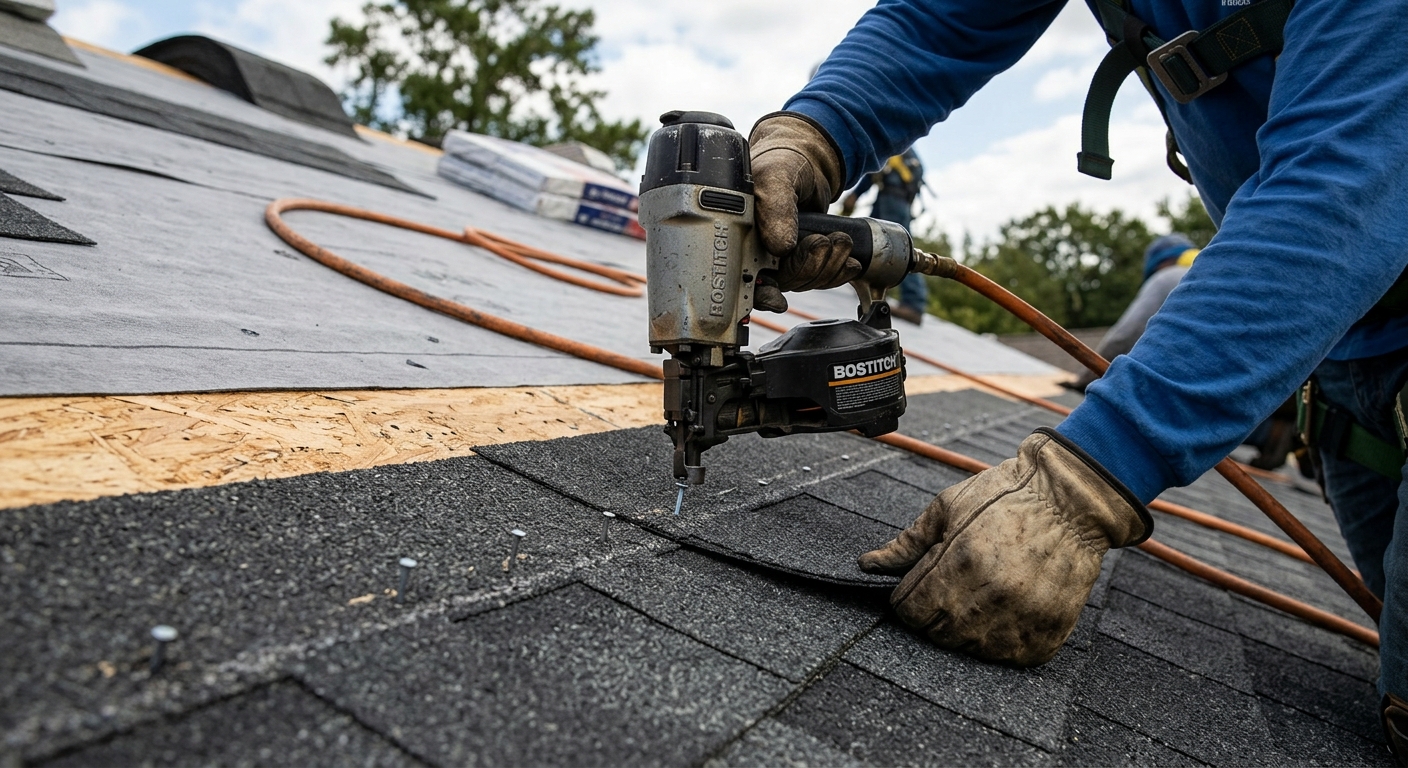
Roofing options and costs in Vedder Crossing
Vedder Crossing homeowners are often comparing roofs that are nearing the end of their service life, especially on older houses where maintenance history is uneven and previous repairs may have masked underlying wear. With a population of 22,620 in the 2021 Census, this part of Chilliwack has enough housing turnover and renovation activity that roofers see a steady mix of leak repairs, full tear-offs, and insurance-driven replacements (Statistics Canada, 2021 Census). In practical terms, that means many quotes need to account for hidden decking damage, extra flashing work, or ventilation upgrades once the old covering comes off. In the Lower Mainland–Southwest, pricing is shaped less by snow load and more by persistent rain, storm gusts, and the need for dependable waterproofing. Contractors here usually prioritise high-quality underlayments, properly detailed flashings, and products that hold up in wet, windy weather. That coastal reality also keeps metal roofing in the conversation, because many owners value its durability and wind resistance even though the upfront price is higher. Around Vedder Crossing, including areas near Garrison Crossing and the broader Chilliwack corridor, demand stays fairly consistent because roofing can be installed year-round, but urban access and a strong construction market still affect scheduling and labour rates. If you are comparing quotes, the biggest differences usually come from scope, material tier, and what happens once the crew opens the roof. The table below breaks down the most common options and the price bands you should expect in this market.
| Type |
Typical Use |
Lifespan |
Best For |
Price Range |
| Full asphalt shingle replacement (tear-off + new install) |
Most detached homes with worn shingles or active leaks |
15–25 years |
Budget-conscious owners needing a straightforward renewal |
$8,000–$18,000 |
| Architectural / laminated shingle (premium asphalt) |
Upgrade for better curb appeal and longer service life |
20–30 years |
Homes where resale value and appearance matter |
$10,500–$20,500 |
| Impact-resistant shingle (Class 4 — hail & wind zones) |
Premium asphalt alternative with stronger impact performance |
25–35 years |
Owners wanting better storm resilience and potential insurance benefits |
$12,000–$22,500 |
| Metal roofing (steel panels or standing seam) |
Long-life upgrade for sloped roofs in wet, windy conditions |
40–50+ years |
Long-term ownership, low maintenance, and high durability |
$20,000–$45,000 |
| Flat / low-slope membrane (TPO or EPDM) |
Flat roof sections, additions, garages, multiplexes |
15–30 years |
Low-slope structures needing reliable waterproofing |
$9,000–$25,000 |
| Roof repair + flashing only (no full replacement) |
Targeted leak fixes, chimney, skylight, vent, or valley work |
2–10 years depending on scope |
Localised damage when the main roof still has service life left |
$500–$8,000 |
Prices are estimates only and vary by project scope, site access and material selection.
What affects the price of roofing in Vedder Crossing
In Vedder Crossing, two quotes for what looks like the same roof can easily differ by 30% to 50% once the contractor has measured the slope, counted penetrations, and checked for hidden damage. That spread is normal across Lower Mainland–Southwest BC because labour, disposal, and waterproofing details vary more than most homeowners expect. In Ontario and Alberta, snow load and freeze-thaw cycles often force extra ice-dam protection, thicker underlayment, and more venting work, which pushes up job complexity; Alberta’s hail belt also increases demand for impact-rated shingles. Coastal BC is different: sustained rain and wind mean crews spend more time on underlayment, edge metal, and flashing details, while premium synthetic underlayment and metal roofing often make more sense than basic products. Colder regions also have shorter install seasons, which concentrates demand and can raise labour rates during peak summer windows; in our market, year-round installability keeps pricing more stable, but access constraints and scheduling pressure still matter. In Vedder Crossing, a simple asphalt reroof might sit near the lower end of the $8,000–$18,000 band, while a steep roof with two layers to remove, new plywood, and complex flashing can climb quickly. A flat addition or garage can land in the $9,000–$25,000 range if membrane details and drainage are involved. Homes with older roofing systems or poorly ventilated attic spaces may also need extra materials and labour, adding a few hundred to several thousand dollars depending on what the tear-off reveals.
| Price Factor |
Why It Matters |
Cost Impact |
| Roof pitch and steepness |
A steeper roof slows work and requires more fall protection and staging |
Can add 10%–25% |
| Number of shingle layers to tear off |
2 layers = extra labour + disposal |
Often adds $1,500–$4,000 |
| Total roof area in squares (1 square = 100 sq ft) |
More surface area means more materials, time and waste |
Larger homes can move from $8,000 into the mid-$20,000s |
| Decking condition |
Rotted OSB or plywood must be replaced before new roofing goes on |
Typically $90–$140 per sheet installed |
| Chimney, skylight and vent flashing complexity |
Each penetration needs custom waterproof detailing |
Can add $300–$1,500+ |
| Ice-and-water shield coverage required (climate-driven) |
Extra membrane is often used at eaves, valleys and penetrations for rain protection |
Usually adds a few hundred dollars, more on complex roofs |
| Regional labour rates and length of the install season |
Strong local demand and access constraints influence crew pricing |
Can shift bids by 10%–20% |
| Material quality tier (standard vs. impact-rated vs. premium) |
Better products cost more upfront but often last longer and perform better in wind |
Can move a job from $10,000 to $20,000+ depending on size |
Permits & regulations in British Columbia
In British Columbia, most like-for-like re-roofing jobs on a house do not require a building permit when you are replacing shingles or metal with a similar roof type and not changing the structure. By contrast, a permit is more likely if the work includes structural deck repairs that affect framing, converting a pitched roof to a flat roof, adding new roof framing, or making changes that alter drainage, fire separation, or building loads. If a contractor proposes more than one existing layer of roofing where local code or manufacturer rules do not allow it, that is a red flag and the scope should be checked carefully before work starts. In Vedder Crossing, the safest approach is to verify that the contractor can explain whether your project is permit-exempt or permit-required in Chilliwack before you sign. Also confirm they carry liability insurance, current WCB coverage, and manufacturer certification if you want a warranty-backed installation. To check a British Columbia contractor, ask for their business legal name and search their trade presence online, then request a certificate of insurance showing current limits and policy dates. For WCB, ask for a clearance letter or account status confirmation directly from WorkSafeBC documentation. If the contractor claims certification with a product line, ask for the manufacturer’s current installer status, not just a logo on a flyer. A reputable roofer will have no issue providing all three pieces of proof before booking your deposit.
Choosing the right roofing material for Vedder Crossing's climate
Vedder Crossing’s climate should steer your material choice more than any sales pitch. This is a Lower Mainland–Southwest roof market: lots of rain, periodic wind, relatively modest snow load, and enough freeze-thaw variation on colder nights to make detailing important, especially around gutters, valleys, and skylights. For many homes, architectural shingles are the sensible middle ground because they offer better thickness, nicer curb appeal, and more wind resistance than basic 3-tab shingles without jumping into metal pricing. If your roof is simple, well-ventilated, and you expect to sell within 10 to 15 years, a good laminated shingle is often the best value. Impact-resistant shingles can be worth the 20%–30% premium when your home is exposed to wind, tree debris, or you want the best chance at insurance recognition for storm performance; on a typical reroof, that might mean paying an extra $2,000 to $4,000 over standard architectural shingles, but the upgrade can be justified if you are avoiding repeat repair calls. Metal roofing makes the most sense for owners planning to stay long term, because the upfront cost is higher but the maintenance burden is lower and resale buyers often like the durability story. Flat or low-slope membrane systems belong on additions, garages, and multiplexes where water shedding is slower and membrane detailing matters most. In British Columbia, some insurers may offer preferred pricing for high-wind or impact-rated products, but those discounts vary widely and are worth confirming before you decide. If your budget is tight, spending an extra $1,500 on upgraded underlayment and flashing can sometimes do more for leak prevention than choosing a flashy but overbuilt material.
| Material |
Lifespan |
Snow & Ice Performance |
Wind / Hail |
Maintenance |
Price Band |
| Asphalt 3-tab (entry-level) |
12–18 years |
Basic performance; relies heavily on correct underlayment and drainage |
Moderate wind resistance; weakest of the options listed |
Higher risk of curling, granule loss and early repairs |
$8,000–$14,000 |
| Asphalt architectural / laminated (standard) |
20–30 years |
Good for coastal rain when installed with proper edge detailing |
Better wind performance than 3-tab; reasonable hail tolerance |
Moderate; periodic inspections and flashing upkeep |
$10,500–$20,500 |
| Impact-resistant shingle (Class 4) |
25–35 years |
Strong in wet climates when paired with quality underlayment |
Excellent wind and impact performance |
Low to moderate; fewer storm-related repairs |
$12,000–$22,500 |
| Metal — steel panels (exposed fastener) |
30–45 years |
Very good shedding in rain and shoulder-season snow |
Good wind resistance; hail can cosmetically dent panels |
Low; fastener checks and seal inspections |
$20,000–$35,000 |
| Metal — standing seam (concealed fastener) |
40–50+ years |
Excellent for persistent rain and long-term waterproofing |
Excellent wind performance; strong long-term durability |
Very low; premium option with minimal upkeep |
$30,000–$45,000 |
| Flat TPO / EPDM membrane (low-slope only) |
15–30 years |
Designed for controlled drainage and water resistance |
Good when fully detailed; depends on fastening and seams |
Moderate; seam and penetration checks are important |
$9,000–$25,000 |
How to choose a roofing contractor in Vedder Crossing
Start by verifying that the roofer is operating legally in British Columbia and can document the coverage they are promising. Ask for their full business name, then confirm it through an online business or trade registry and request a certificate of insurance that shows liability limits, policy number, and expiry date. For workers’ coverage, ask for a current WCB clearance letter or account confirmation from WorkSafeBC. If they cannot provide those items promptly, move on. Next, get 2 or 3 itemised written quotes that separate labour, shingles or membrane, underlayment, flashing, disposal, and any plywood replacement. A lump-sum price is harder to compare and often hides exclusions. Read the scope line by line: Does the quote include permit pulling if needed? Is disposal of old roofing included? Are new vents, drip edge, and ice-and-water shield included or extra? For warranty, ask for both the workmanship warranty and the manufacturer warranty on the product, and confirm whether the warranty transfers to a buyer if you sell the home. Payment terms matter too: never hand over more than 10% to 15% upfront, and keep a holdback until the work is complete and inspected. Finally, get the start date, completion estimate, and any weather-delay language in writing so there is no confusion once the crew is on site.
- Confirm the contractor’s legal business name and contact details.
- Check liability insurance dates and limits on the certificate.
- Ask for WCB/WorkSafeBC clearance before any deposit.
- Request 2–3 itemised written quotes.
- Make sure labour, materials, disposal, and flashing are separated.
- Ask whether permit pulling is included if the work requires one.
- Verify whether plywood replacement is priced per sheet.
- Ask what underlayment and ice-and-water shield they plan to use.
- Confirm workmanship warranty length and what it covers.
- Check if the manufacturer warranty is transferable.
- Keep the deposit to 10%–15% maximum.
- Get the schedule and completion date in writing.
Red flags in Vedder Crossing include door-to-door storm-chasing crews, quotes that are far below the local $8,000–$18,000 asphalt range without a clear reason, refusal to show insurance or WCB paperwork, pressure to pay cash immediately, and vague scopes that do not mention tear-off, disposal, or flashing.
Frequently asked questions — roofing in Vedder Crossing
What is ice and water shield and do I need it in British Columbia?
Ice and water shield is a sticky, self-sealing waterproof membrane used at vulnerable areas like eaves, valleys, skylights, and roof penetrations. In Vedder Crossing and across British Columbia, it is not just a “snow country” product; it is a rain-management product that helps stop water from backing up under shingles during wind-driven rain. You usually do not need full-coverage membrane on every slope, but you do want it in the places where water concentration is highest. On a typical house, adding the right amount may only move a quote by a few hundred dollars, which is cheap insurance compared with a repair bill inside the $500–$8,000 range. For coastal roofs, especially older homes with modest attic ventilation, the membrane is often one of the smartest parts of the system.
How do I spot a low-quality roofing bid in Vedder Crossing?
A weak bid usually looks attractive only because it leaves out the parts that matter. In Vedder Crossing, watch for a quote that does not state how many layers are being removed, whether disposal is included, what underlayment is being installed, or whether flashing around chimneys and vents is priced separately. If a contractor claims they can do a roof far below the local $8,000–$18,000 asphalt replacement band with no explanation, that often means shortcuts somewhere. Poor bids also use generic material names, no warranty details, and no reference to permit needs if structural work is involved. In British Columbia, a low price is not a bargain if it excludes the tear-off, plywood repairs, or edge metal that your roof really needs.
What roofing upgrades add the most resale value in Vedder Crossing?
In Vedder Crossing, the upgrades that usually help resale most are clean architectural shingles, improved flashing, and a roof system that looks recent and well-documented. Buyers in British Columbia pay attention to whether the roof is likely to leak in our wet seasons, so a tidy installation often matters more than an expensive gimmick. If your home is simple and you want the best return, moving from basic 3-tab shingles to a better laminated product can be a smart step within the $10,500–$20,500 band. Metal can also add value, especially on long-term family homes, but the resale payoff may not fully recover the higher upfront cost in every neighbourhood. The biggest value boost often comes from showing a transferable warranty, updated flashing, and a roof that clearly has years left on it.
Can a roofing contractor work year-round in Vedder Crossing?
Yes, most roofing work can be done year-round in Vedder Crossing because the Lower Mainland–Southwest climate does not shut the jobsite down the way a Prairie winter can. Crews still need dry periods, safe access, and temperatures suitable for sealants and adhesives, but winter is usually workable here. That said, weather delays are real, especially during long rain stretches or wind events. If you are booking a project in the $9,000–$25,000 flat-roof range or a larger asphalt tear-off, expect scheduling to depend on forecast windows. In British Columbia, year-round installability helps smooth labour pricing compared with colder regions, but it also means busy crews can stay booked solid. Get your start date and completion estimate in writing so you are not left guessing.
What is a roofing square and how does it affect my quote?
A roofing square is 100 square feet of roof area, and it is one of the main ways contractors size materials and labour. In Vedder Crossing, your quote is heavily influenced by how many squares your roof has because more squares mean more shingles, underlayment, nails, labour, and disposal. A small garage roof and a larger family home can land in very different price bands even if they look similar from the street. For example, a standard reroof in the $8,000–$18,000 range may cover a straightforward home, while a larger or more complex roof can push toward the upper end or beyond once extras are added. When you compare bids in British Columbia, ask each roofer to state the number of squares and whether that measurement includes waste allowance and overhangs.
How do I maintain my roof between replacements in Vedder Crossing?
Good maintenance in Vedder Crossing is mostly about water control and small repairs before they become big ones. Keep gutters clean, check downspouts, trim overhanging branches, and inspect the roof after major wind or rain events. If you have a valley, skylight, or chimney, those flashing areas deserve a close look because that is where leaks often begin in British Columbia’s wet climate. A minor flashing repair or small sealant job may fall into the $500–$8,000 repair band, depending on scope, but catching it early is still cheaper than replacing interior damage. It also helps to have a roofer inspect the attic for staining or ventilation issues once a year or after a storm. On older homes, regular maintenance can extend the life of asphalt shingles by several years and delay a full replacement.